
Home › Blog › Hanoi photo spots
What to Wear for Photos at Bat Trang Pottery Village
By the Hanoi Photoshoot team · 2026-11-06
Bat Trang pottery village, a 15-minute drive from downtown Hanoi, demands practical outfit choices because you'll walk past active clay pits, spinning wheels and kiln yards where dust, water splashes and uneven ground are unavoidable. Wear closed shoes with grip (canvas, leather or hiking styles), mid-thigh-length or fitted pants, and jewel-toned long-sleeve shirts or structured dresses that won't catch on equipment or show dust easily. Avoid loose fabrics, white, pastels and flip-flops. The best light for photography runs 07:00–09:00 (soft, side-lit clay work) and 16:00–17:30 (golden glow on kiln facades). A dedicated session with Hanoi Photoshoot by Cáo Studio includes a guide who knows which artisans welcome cameras, timing for crowd-free shots, and styling advice matched to seasonal humidity and clay residue. Budget 3–4 hours on-site; bring a small towel and water bottle. Pottery dust clings permanently to delicate fabrics, so this is not the location for silk or linen. Check dates on WhatsApp
Why dusty clay spots need a wardrobe rethink
Bat Trang differs radically from ornamental temple backdrops: you're documenting working pottery, not posing in front of it. Clay dust embeds in fabric fibers and water (used to keep clay workable) splashes onto legs and hems. White absorbs both and shows stains permanently; loose sleeves catch on wheel spindles when you lean in for detail shots. Jewel tones—deep blues, teals, burgundies, emerald—photograph luminously against terracotta, gray clay and kiln smoke, and they mask dust far better than pastels do.
Practical footwear matters: pottery yards have wet patches, scattered ceramic shards and uneven brick paths. Rubber-soled closed shoes grip slippery clay-mud; sandals trap water and leave your toes vulnerable. Our team always recommends canvas or leather trainers broken in before the shoot—blisters derail creative sessions. A structured long-sleeve shirt (cotton, linen-blend or cotton-poly) protects arms from kiln heat and clay splashes while keeping you cool in the studio environment, where temperatures climb in afternoon heat.
What colors and cuts work best in clay dust?
Jewel tones and saturated colors outperform neutrals in pottery village light. Deep teal, navy, forest green, burgundy and charcoal gray reflect the terracotta and gray clay palettes and photograph richly under morning and golden-hour sun. Earth browns, olive and rust also blend with the setting, but they recede faster in mixed light—jewel tones pop without looking out of place.
Fit matters as much as color. Tailored pants that skim the ankle (not loose, not skin-tight) allow you to crouch and walk through clay studios without dragging on wet ground. A-line or fit-and-flare dresses work if you choose a thicker cotton blend and pair them with opaque leggings; flowing skirts snag on wheel equipment and collect dust in folds. Avoid oversized silhouettes; they photograph poorly against cramped kiln interiors and tangle visibly during movement.
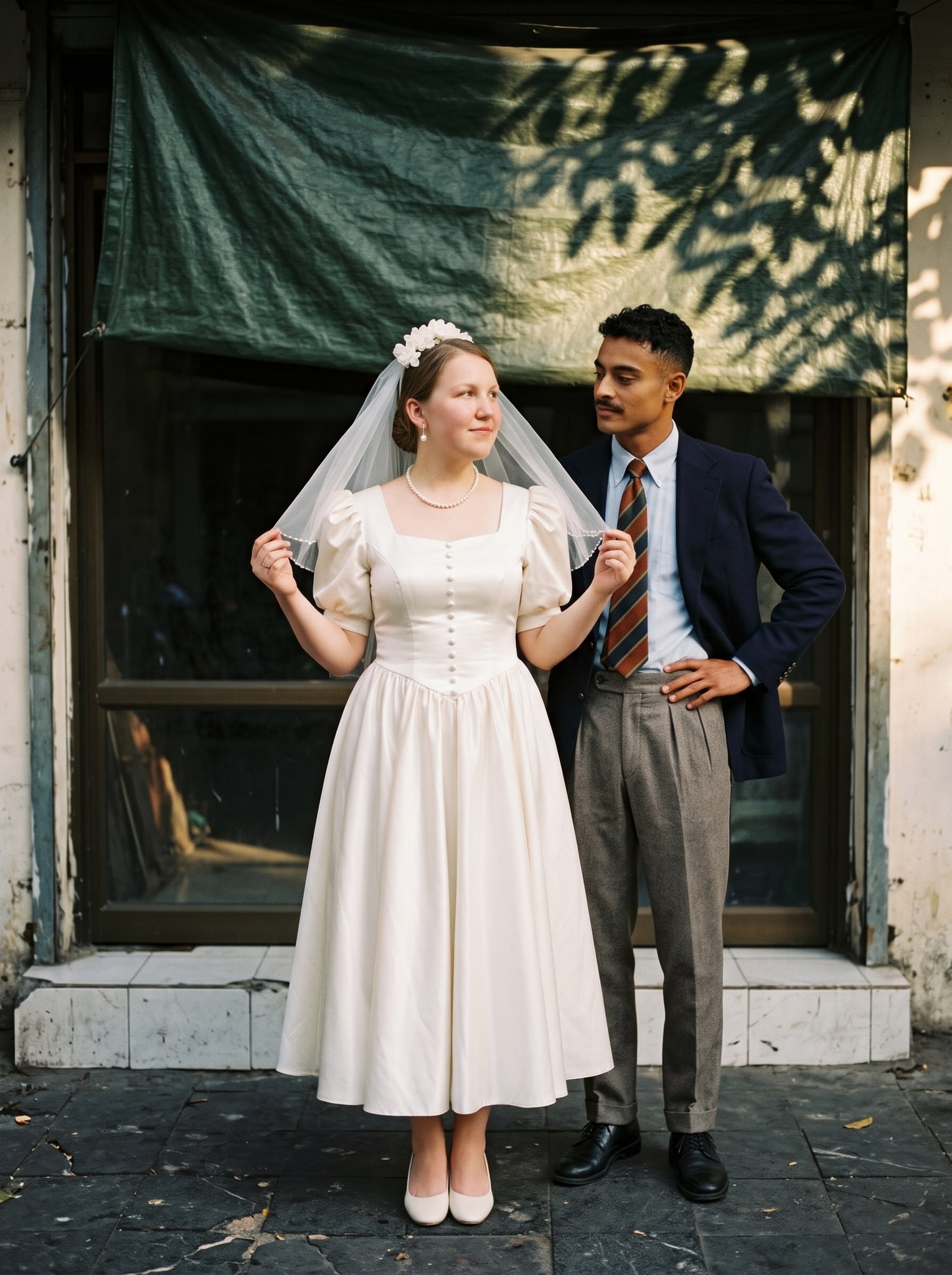
Avoid crisp white, cream, pale pink or light gray entirely. These show every water spot and clay smudge, and they photograph as blown-out in the high-contrast kiln-yard light (where shadows are deep and reflections are bright). If you love light colors, choose ivory linen paired with a navy or teal overshirt you can remove for final shots, but keep the overshirt on during walking and documentation phases.
How do shoes, accessories and layers stack up?
Footwear choice (comparing three real options used by our clients):
| Shoe type | Best for | Pros | Cons |
|---|---|---|---|
| Canvas trainers (worn-in) | General pottery village walks | Breathable, flexible, good grip when damp | Can absorb water; leave lint on clay floors |
| Leather hiking boots (low-cut) | Wet kilns, uneven yards | Waterproof, ankle support, durable | Heavy, slower to move, formal in shots |
| Rubber-soled ballet flats | Dry indoor kiln tours | Lightweight, neat in close-ups, easy on/off | Slippery, no ankle support, trap water |
Canvas trainers (classic white or black) strike the best balance: they're lightweight, dry fast if splashed, and look intentional in candid shots without dominating the frame. Break them in 2–3 weeks before your session to avoid blisters during 3–4 hours on-site.
Jewelry and accessories: Skip dangling bracelets, long necklaces and delicate earrings—they catch on kiln edges and break when you steady yourself on uneven ground. A simple watch, thin ring and stud earrings are safe. Bring a small crossbody bag (leather or canvas, not synthetic) that fits a phone, water bottle and sunscreen; soft bags avoid snagging clay-crusted equipment. A lightweight cotton scarf (in a complementary jewel tone) offers sun protection and can be repositioned between shots for visual variety.
Layering for temperature and dust: Morning sessions (07:00–09:00) run 18–22°C; afternoon sessions climb to 26–29°C by 15:00. Wear a long-sleeve shirt as your base layer; bring a cropped overshirt or lightweight cardigan you can remove and tie at your waist when heat peaks. This protects your shoulders and arms from clay dust and kiln radiant heat while keeping you mobile. Avoid hooded sweatshirts and puffy jackets—they're too warm and trap clay particles in the weave.
Which seasons shift what you wear?
Bat Trang's seasonal conditions reshape outfit strategy:
May–September (hot, humid, frequent rain): Humidity peaks; cotton blends absorb sweat without clinging like synthetics do. Morning light (07:00–09:00) is your golden window before heat distorts air and kilns radiate intensely. Pack a lightweight rain jacket (packable, in navy or teal) for sudden afternoon showers that hit kiln yards hard. Wet clay becomes slicker; choose shoes with deeper tread. Avoid silk or delicate linens—moisture causes mildew growth that sets permanently.
October–April (cool, dry, crisp light): This is prime photography season at Bat Trang. Light remains directional and shadow-rich until 17:30; you can extend shoots into late afternoon without heat stress. Layer with a structured overshirt or lightweight blazer (in jewel tones) that you can unbutton and roll up sleeves of. Morning temperatures (16–18°C) require a light layer; by 15:00 you'll shed it. Dust adheres more easily to skin in dry air, so wear the full long-sleeve outfit and bring sunscreen and a towel.
December–January (coldest, clearest skies): Early mornings run 10–14°C; bring a wool or cotton-blend pullover (navy, forest green, charcoal) under your long-sleeve shirt. This is when kiln smoke photographs most dramatically against clear skies. You'll want full coverage, but avoid thick synthetic fleece that traps dust in the pile. By mid-afternoon (14:00–16:00) you'll peel off the pullover and shoot in your shirt alone. Boots (leather, waterproof) replace trainers if morning condensation has made yards damp.
How to coordinate outfits across group and couple sessions?
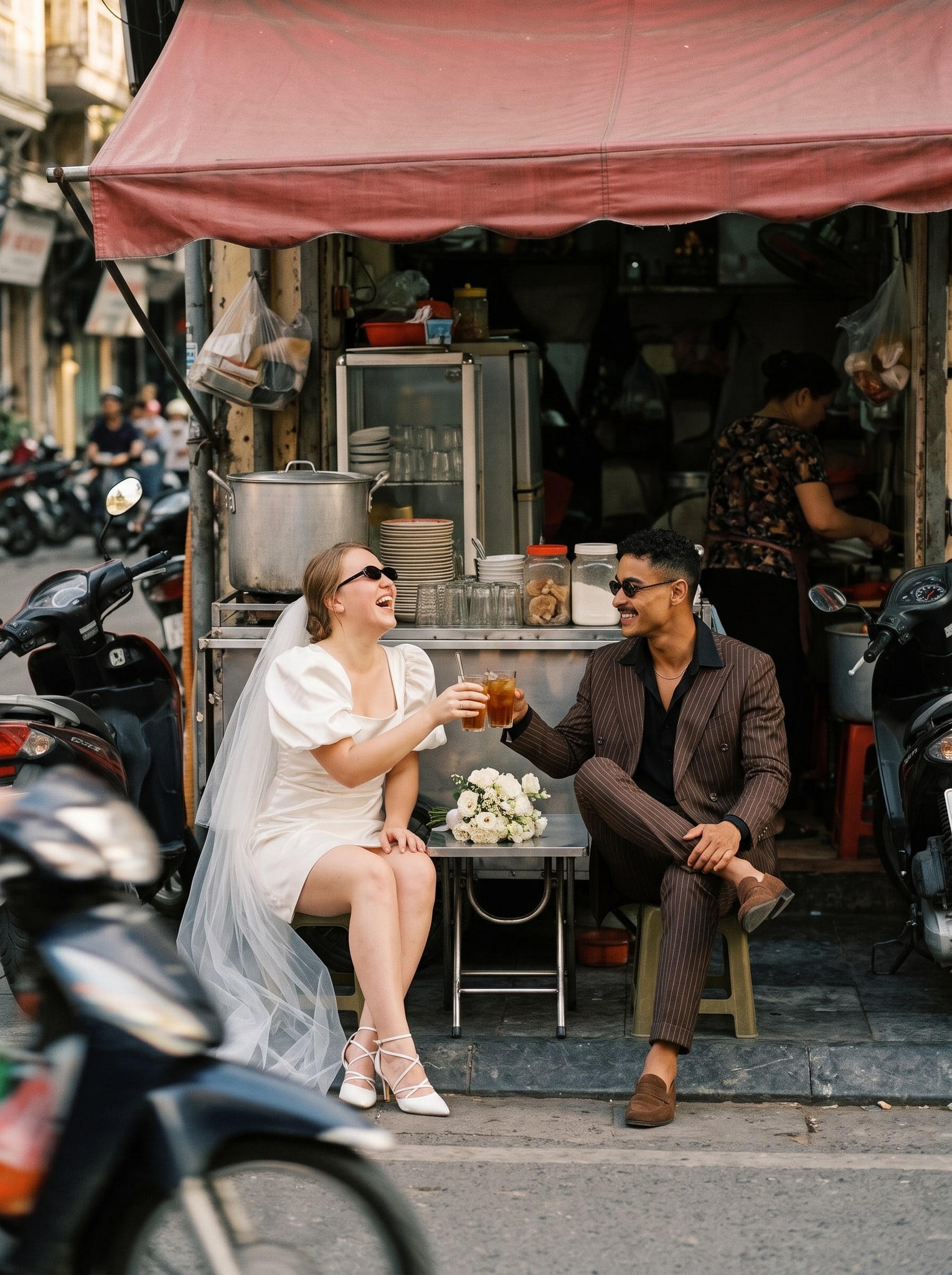
If you're shooting as a couple or small family, coordinate color families rather than matching exactly. Our couple photoshoot and family photoshoot teams recommend one partner in deep navy or forest green and the other in teal or burgundy—this creates visual harmony without looking staged. Avoid one person in white and another in jewel tones; the contrast is jarring in clay-yard light.
For solo travel portraits, wear one strong jewel tone as your main outfit; bring a second structured shirt in a complementary shade (e.g., navy swap to teal) for a mid-shoot wardrobe change that reinvents the look without requiring a full location move. Pottery village studios are compact, so outfit changes happen fast.
If you're planning a pre-wedding or proposal session (check our pre-wedding photoshoot and proposal photographer options), the groom or proposer should wear tailored navy or charcoal; the bride or fiancée can wear a jewel-toned dress (no white—clay dust ruins white silk permanently) or high-waisted navy pants with a structured blouse. Avoid full wedding dresses at Bat Trang; the hemlines drag and catch on wet clay and scattered ceramic shards. Save formal wear for cleaner backdrops like Hoan Kiem Lake or the Old Quarter.
Styling choices that fail at pottery village
What to avoid:
- Loose flowing linen or cotton voile: snaggs on equipment, absorbs clay water, dries in stains.
- White or cream fabrics: show every splash and dust particle; photograph as blown-out in high-contrast kiln light.
- Flip-flops, open sandals, or low-profile soles: you'll slip on wet brick, stub toes on shards, or acquire blisters on uneven ground.
- Heavy synthetic fabrics (polyester, acrylic, nylon blends): trap clay dust and don't breathe; feel clammy in humidity.
- Dangling jewelry or long scarves: catch on kiln edges and spinning wheels; delay shoots and can injure you.
- Oversized or high-waisted pants: drag at the hem when you crouch for detail shots; mud and clay cling to folded fabric.
Our team has documented hundreds of shoots at Bat Trang. The most frequent styling regret is choosing light colors or loose fabrics "for air" in summer heat—clients end up uncomfortable, covered in stains, and spending session time cleaning rather than posing. The second-most-common error is wearing brand-new shoes; blisters sideline people within 90 minutes. Test your footwear on a long walk at least once before the shoot date.
What to check before you book
- Confirm the pottery studios you'll visit: Active artisan yards welcome photographers, but some communal kilns or factory zones restrict access. Our guide directs you to artisan-friendly spots.
- Bring a change of base layers: Pack a second long-sleeve shirt in your bag if you're nervous about stains. Pottery dust is permanent on some fabrics.
- Test your shoes on wet, uneven ground: Walk a brick-paved alley or garden path in your chosen footwear to confirm grip and comfort.
- Check the weather 3 days before: Typhoon season (Aug–Oct) can flood kiln yards, canceling access. Our team reschedules if safety is at risk.
- Arrive with clean hands and a towel: Clay clings to skin and transfers to fabric folds. Bring a microfiber towel and hand sanitizer.
- Agree on outfit changes with your photographer: If you're swapping shirts, confirm timing so you're not rushed between locations.
For professional styling advice tailored to your skin tone, body frame and the specific artisans we'll visit, our makeup and styling team works with you in a pre-shoot consultation. We'll recommend exact colors, fits and layering for your session—and we can provide ao dai or structured pottery-studio outfits on rental if you prefer.
Bat Trang shoots fit these session types best
Bat Trang pottery village shines in several photography contexts:
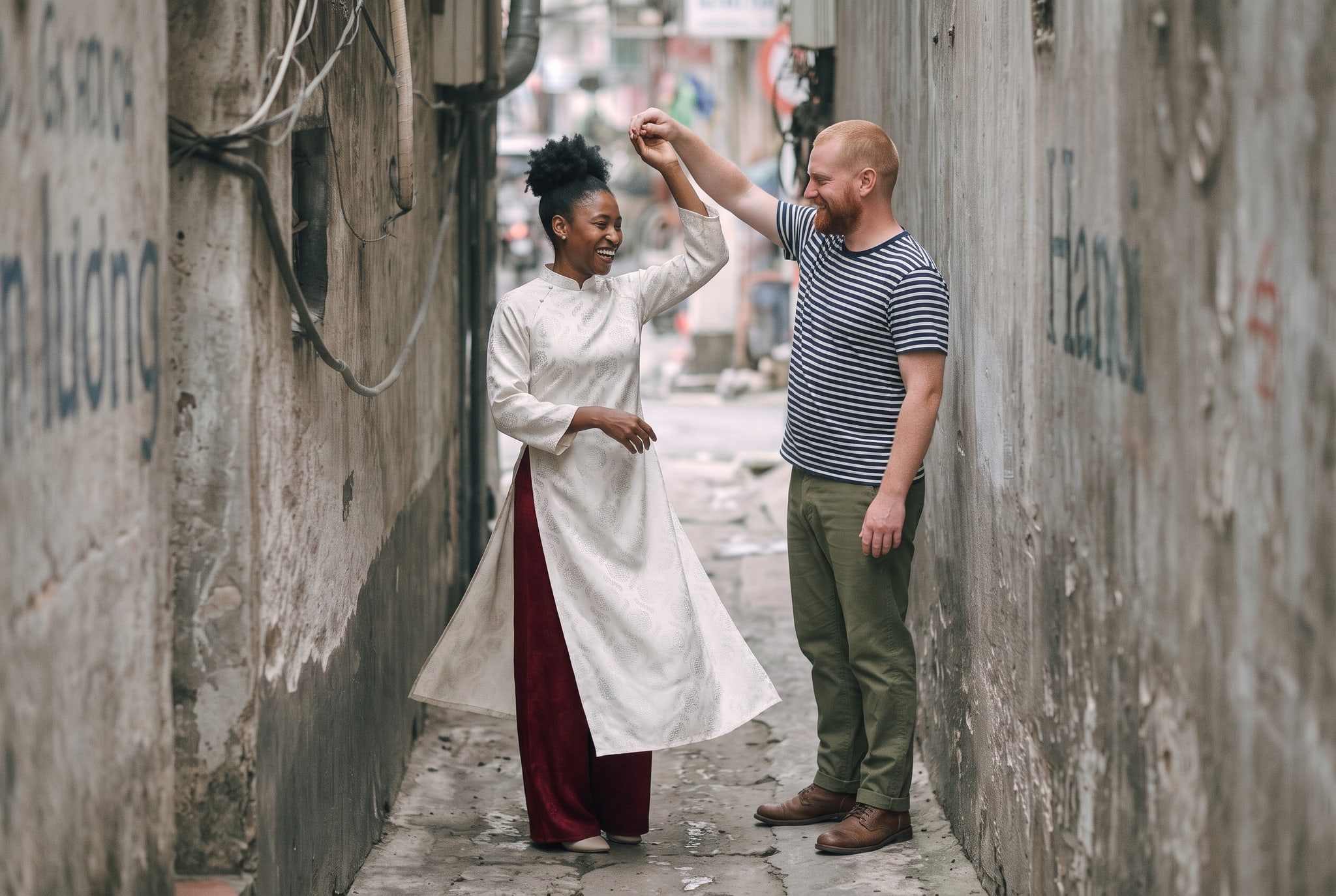
- Ao dai photoshoot: Our team rents ao dai that photograph beautifully against kiln facades. The indigo and crimson dyes in traditional ao dai complement terracotta and gray clay. A professional ao dai rental avoids the "costume" look and sits well on uneven ground.
- Couple photoshoot: Pottery yards create intimate, textured backdrops. Couples love the "working artisans in the background" candid vibe.
- Solo travel portraits: Bat Trang tells a story for travel bloggers and lifestyle portfolios—you're documenting real Hanoi craft, not just posing.
- Instagram photoshoot: The kilns, clay wheels, and kiln smoke are visually dynamic. Afternoon golden hour (16:00–17:30) delivers warm, rich tones ideal for feed aesthetics.
- Graduation photoshoot (for art or ceramics students): Bat Trang celebrates your field authentically without feeling staged.
For maternity photoshoot or proposal photographer sessions, we recommend cleaner locations due to dust and clay splash risks to delicate fabrics and to minimizing physical strain. Check our Hoan Kiem Lake and Old Quarter guides for expectant or engaged clients.
Visit our blog for more Hanoi spot guides and styling tips.
FAQ
Will pottery dust permanently stain clothes?
Yes, if the fabric is light-colored, delicate or synthetic. Dark, natural-fiber garments (cotton, linen, cotton-poly) wash clean after one or two cycles. Avoid white, cream, pale pink and synthetic blends; they retain clay stains indefinitely even after washing.
Can I wear my wedding ao dai to Bat Trang?
Not recommended. Ao dai silk absorbs clay water and dust embeds in the weave; the hem (which trails behind you) will drag through wet patches and catch on equipment. Wear a rental ao dai in indigo or crimson instead, or save formal ao dai for cleaner backdrops like Hoan Kiem Lake.
What time of day has the best light for pottery village shots?
Morning (07:00–09:00) delivers soft, side-lit clay work. Afternoon golden hour (16:00–17:30) bathes kilns in warm, rich light. Midday (11:00–15:00) has harsh shadows and kiln glare; avoid this window unless you're shooting kiln smoke silhouettes.
Do I need closed shoes if I'm only walking around kilns, not entering them?
Yes. Uneven brick paths, scattered ceramic shards and water puddles make slip-on sandals dangerous. Closed shoes with grip prevent ankle rolls and protect your toes. You'll walk 2–3 km during a typical session.
Can I wear my favorite designer jeans to Bat Trang?
If they're dark and well-fitted, yes—but test them first. Expensive denim that hasn't been washed many times will absorb clay stains. Light-wash or distressed jeans are at high risk; avoid them. Wear jeans you don't mind dirtying; bring a change of pants if you're self-conscious.
Will the pottery studio provide water or break areas?
Some artisan studios offer tea or water, but don't rely on it. Bring a 1-liter water bottle, sunscreen and a small snack. Pottery yards have few shaded rest areas; plan breaks near kiln entries where you can sit briefly without disrupting work.
Check dates
Send your dates, how many people and the style you like. We reply on WhatsApp in English with spots, timing and a quote.
FAQ
Will pottery dust permanently stain clothes?
Yes, if the fabric is light-colored, delicate or synthetic. Dark, natural-fiber garments (cotton, linen, cotton-poly) wash clean after one or two cycles. Avoid white, cream, pale pink and synthetic blends; they retain clay stains indefinitely even after washing.
Can I wear my wedding ao dai to Bat Trang?
Not recommended. Ao dai silk absorbs clay water and dust embeds in the weave; the hem (which trails behind you) will drag through wet patches and catch on equipment. Wear a rental ao dai in indigo or crimson instead, or save formal ao dai for cleaner backdrops like Hoan Kiem Lake.
What time of day has the best light for pottery village shots?
Morning (07:00–09:00) delivers soft, side-lit clay work. Afternoon golden hour (16:00–17:30) bathes kilns in warm, rich light. Midday (11:00–15:00) has harsh shadows and kiln glare; avoid this window unless you're shooting kiln smoke silhouettes.
Do I need closed shoes if I'm only walking around kilns, not entering them?
Yes. Uneven brick paths, scattered ceramic shards and water puddles make slip-on sandals dangerous. Closed shoes with grip prevent ankle rolls and protect your toes. You'll walk 2–3 km during a typical session.
Can I wear my favorite designer jeans to Bat Trang?
If they're dark and well-fitted, yes—but test them first. Expensive denim that hasn't been washed many times will absorb clay stains. Light-wash or distressed jeans are at high risk; avoid them. Wear jeans you don't mind dirtying; bring a change of pants if you're self-conscious.
Will the pottery studio provide water or break areas?
Some artisan studios offer tea or water, but don't rely on it. Bring a 1-liter water bottle, sunscreen and a small snack. Pottery yards have few shaded rest areas; plan breaks near kiln entries where you can sit briefly without disrupting work.
More like this
Hanoi photo spots
Hanoi Book Street Family Photos: Best Times, Rules & Posing Tips
Hanoi Book Street (Phố Sách) offers tree-lined, traffic-light backdrops perfect for family photos. We guide you through light timing, local rules, and kid-friendly posing to avoid crowds and capture genuine moments.
Hanoi photo spots
Duong Lam Ancient Village Photo Spots: Best Times & Light Guide
Duong Lam Ancient Village, 45 km southwest of Hanoi, holds Vietnam's oldest intact rural architecture—tile-roofed houses, brick kilns and narrow lanes where morning mist holds light for 90 minutes. We photograph here year-round for solo travelers, families and couples seeking authentic, off-beat Han
Hanoi photo spots
Duong Lam Ancient Village: Crowd-Free Times & Photo Spots
Duong Lam Ancient Village, 45 km southwest of Hanoi, draws tourists year-round—but early mornings and weekdays offer near-empty temple courtyards and village lanes. We share exact timing, seasonal light, and how to pair a visit with professional portraits.