
Home › Blog › Hanoi photo spots
Tay Ho Ao Dai Photos: Light, Crowds & Best Hours
By the Hanoi Photoshoot team · 2026-11-06
Tay Ho ao dai photos work best during golden hour (6–7 am or 4:30–6 pm) when low sun grazes the water and creates warm skin tones without harsh shadows. This Hanoi district's tree-lined paths, waterfront promenades and pagoda entrances suit formal ao dai sessions for solo, couple or family portraits. Shoot in November–February for dry, cool conditions; avoid May–September monsoons that turn paths slick and light grey. Morning shoots (5:30–8 am) avoid crowds near the pagoda and temple steps; afternoon sessions pack 40+ tourists by 5 pm but offer richer orange light. Wear flat shoes—the waterfront has uneven brick, tree roots and occasional wet patches. Hanoi Photoshoot by Cáo Studio provides in-house ao dai rental, makeup and styling; we coordinate exact spots and timing via WhatsApp to dodge peak tourist windows and secure clear sight lines for non-models. Check dates on WhatsApp
Why does Tay Ho suit ao dai more than other Hanoi spots?
Tay Ho's narrow lanes and waterside promenades frame ao dai silhouettes without competing urban noise—brick walls age beautifully behind silks, and lake reflections double your backdrop. The district sits west of central Hanoi, drawing fewer Instagram crowds than Hoan Kiem Lake photo guide yet offering equally photogenic morning mist and evening amber light. Tree canopies diffuse harsh midday rays, keeping skin tones even on long shoots. Local residents expect photographers; pagoda staff rarely object to non-religious ao dai sessions outside prayer hours. The drawback: uneven surfaces trip unstyled heels, and fish-market smells drift north after 10 am—timing beats fancy footwear.
What time of day gives the best light for ao dai in Tay Ho?
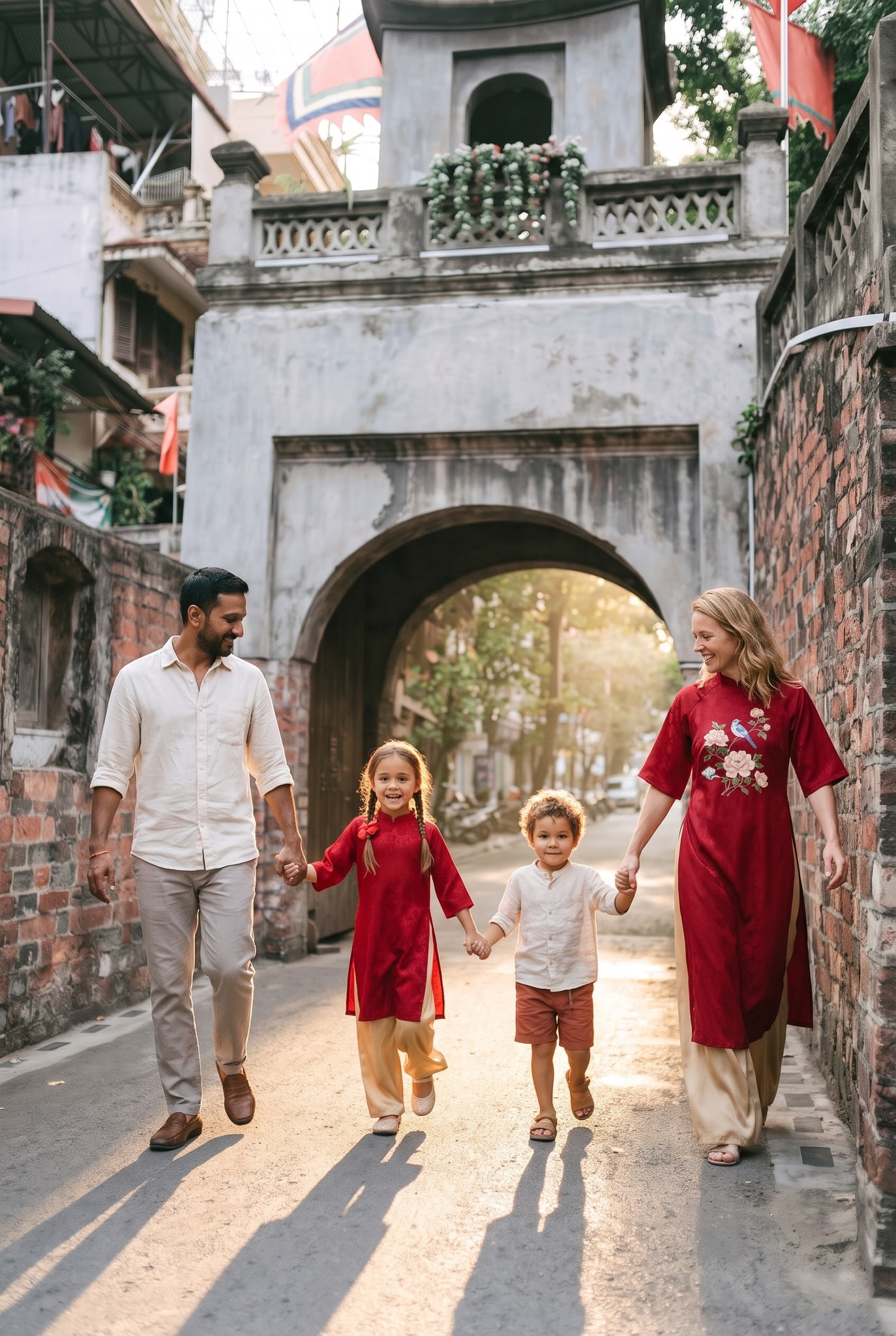
Golden hour (6–7 am or 4:30–6 pm) wraps ao dai in warm amber and creates a 2-stop softer contrast than midday sun. Morning light skims the water from the east, outlining silk textures and embroidery; you avoid crowds (fewer than 10 tourists before 7 am) and get backlit hair halos if you position the sun behind your shoulders. Afternoon light warms the pagoda's brick to rust-orange; shadows lengthen across paths, letting you pose one subject in light, one in dappled shade for visual rhythm. Avoid 11 am–3 pm: overhead sun flattens ao dai's drape, burns out skin and forces squinting. Early October and late March see the sharpest light (low humidity, clearest air); May–August light stays grey even at golden hour due to atmospheric moisture from the Red River delta. Base your shoot on sunrise/sunset times (6:15 am / 5:50 pm in November; 5:10 am / 7:15 pm in June) and add 20 minutes before and after for soft-light buffer.
How do crowds and temple rules affect your shoot schedule?
Pagoda steps and the main waterfront path see 15–25 visitors by 8 am, 40+ by 5 pm, and 100+ during Lunar New Year (February) and national holidays. If you want clear sight lines for solo or couple poses, book 5:30–7 am or 4–5 pm and confirm temple access by 6 am (staff often lock side gates by 6:30 am). Tay Ho Pagoda allows photography outside its main sanctuary; ask permission at the front desk if you plan to shoot near the altar steps (usual answer: yes for ao dai, no for non-religious commercial). Waterfront promenades and the outer pagoda courtyard have no formal rules, but keep distance from active worshippers and remove shoes if entering covered areas. Fish-market vendors start setting up by 6:30 am along the north lane, bringing racks and trolleys into frame—shoot south of the pagoda or west toward quieter alleys to avoid them. Lunar calendar matters: avoid shooting 1–5 pm on the 15th of any lunar month (major prayer hours); check the lunar date before you book.
What seasonal changes affect light, weather and ao dai fabric choices?
| Season | Light Quality | Air Clarity | Best Ao Dai Fabric | Crowds | Notes |
|---|---|---|---|---|---|
| Nov–Feb | Sharp, low angle, golden | Dry, crisp (best) | Silk, linen (crisp drape) | Low weekdays | Ideal; 15°C–22°C, 50–60% humidity |
| Mar–Apr | Warming, diffused | Clear, pre-monsoon | Silk, cotton blend | Medium | Humidity rises; 23°C–28°C |
| May–Sep | Flat, grey, hazy | Humid, misty | Lightweight cotton | High holidays | 28°C–32°C, 75–85% humidity; light dull; paths wet after rain |
| Oct | Transitional, sharpening | Clearing | Silk (summer weight) | Medium | Golden light returns; 22°C–26°C |
Monsoon ao dai (May–September) requires heavier cotton or cotton–silk blends to stay wrinkle-free in 80%+ humidity; lightweight silks cling and show sweat faster. November–February silk drapes crisply and reflects golden-hour light richly; linen keeps cool for long shoots without clinging. Morning light turns grey by 9 am June–August due to moisture; afternoon light improves after 4:30 pm when humidity drops slightly. Pagoda crowds spike during Tet (Lunar New Year, Feb) and national holidays (Sept 2, April 30); book 2–3 weeks ahead if your dates fall near these. Cold-season shoots (Dec–Jan) benefit from early morning mist on the water, but paths freeze occasionally—wear non-slip soles.
How should you pose for ao dai if you're not a model?
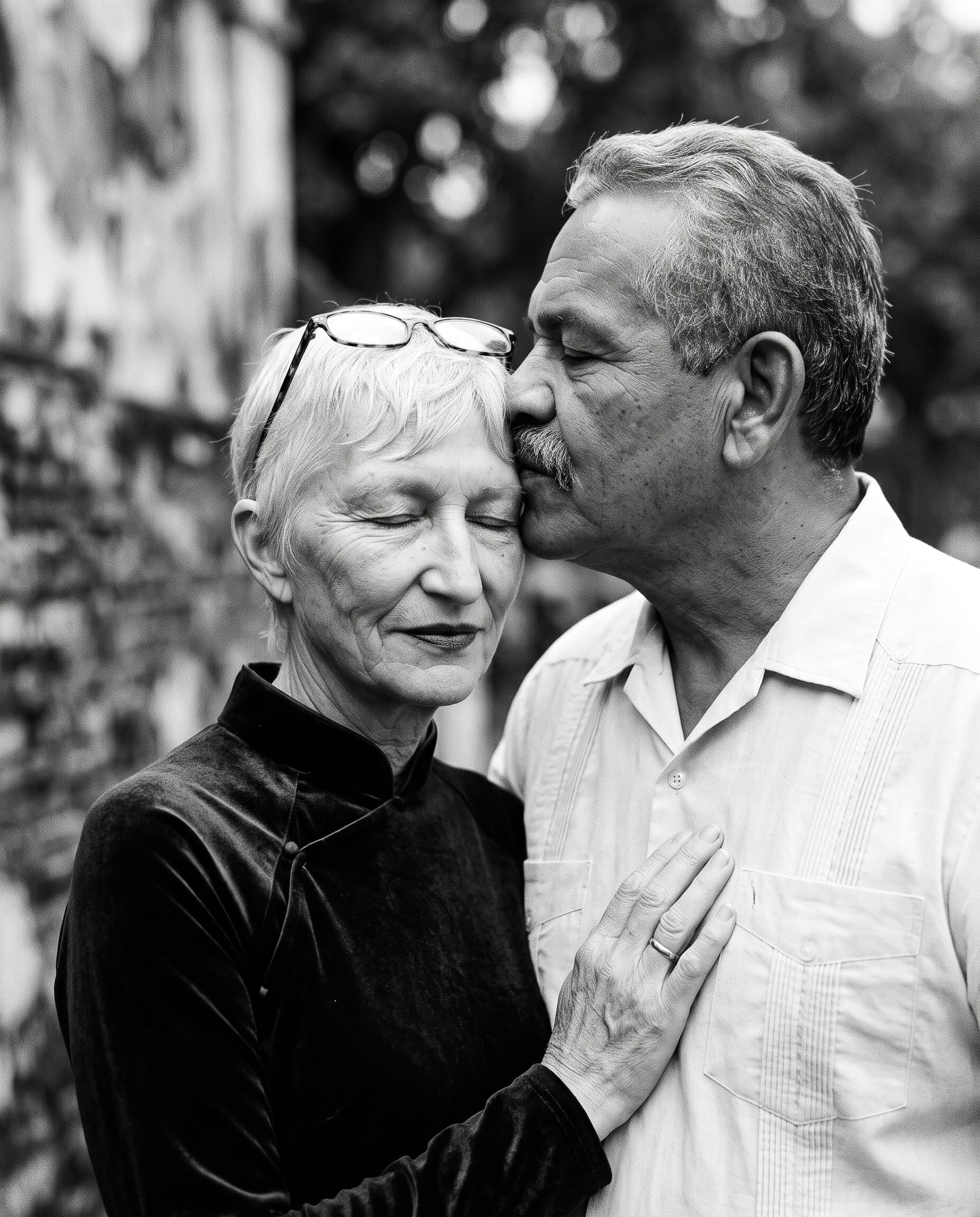
Non-models often lock shoulders or turn rigid; instead, rest your weight on your back foot (non-camera side) and let your front hip soften forward. This naturally lengthens your silhouette and prevents the "I'm standing for a passport photo" stiffness. For waterfront shots, stand 2–3 paces back from the edge (water reflects and adds drama without you toppling into brick-lined channels). Walk toward the camera in 3–5 slow steps and pause mid-stride—this catches natural arm swing and unstudied grace as ao dai catches movement. On uneven pagoda steps, look down briefly before posing to judge footing, then lift your gaze up or toward the water; this prevents the "worried about tripping" face. Hands: let them rest at your sides (not clenched) or hold the ao dai's front panel loosely, as if you're arranging it for a breeze. If you're uncomfortable, we'll suggest simple frames: backlit silhouette (you face the water, camera shoots into the light), three-quarter poses (side-on to the pagoda, shoulders rotated toward camera) or seated shots on low steps (reduces balance anxiety). Makeup, hair & ao dai rental includes a 5-minute posing demo before we shoot, so you walk in confident.
What should you check before booking a Tay Ho ao dai session?
Weather & air quality Check 7-day forecasts 3 days before. Rain voids outdoor shoots; ask about rescheduling policy (we always offer free date swaps for weather). Air quality index (AQI) above 150 makes distant backgrounds hazy; if AQI is 100–150, we shoot tighter frames and use water reflections. November–February rarely sees poor AQI; June–August can spike during burn-off season (late August/early September worse).
Pagoda access & customs Call ahead or arrive 6 am to confirm the side gate is unlocked (main gate opens 5:30 am). If you're not Buddhist, remove shoes when entering covered areas and avoid framing altars closely. Lunar calendar prayer hours (especially 15th of lunar month) reduce private access after 1 pm.
Footwear & ground conditions Wear flat shoes (ballet flats, loafers, minimal heels under 1 inch) until you're shooting. After rain or monsoon season (June–August), paths stay wet until 10 am; we shoot higher angles and closer frames to hide puddles. Tree roots buckle several bricks on the west path—we scout these weekly.
Outfit fit & tailoring Ao dai rental fits standard and tall frames; if you're under 5'2" or over 6', confirm custom tailoring 1 week ahead (we have a network of seamstresses 10 minutes away). Wear undergarments that don't show seams through white or cream silk—ask us for makeup and styling advice.
Timing & light windows Book within a 2-hour window (e.g., 5:30–7:30 am) so we can nail golden hour. Confirm exact meeting time 24 hours before; Tay Ho traffic backs up if you arrive after 6:30 am on weekdays. Sunrise/sunset times shift 5 minutes per week—we send you a custom timeline once the date is confirmed.
Related session types for Tay Ho
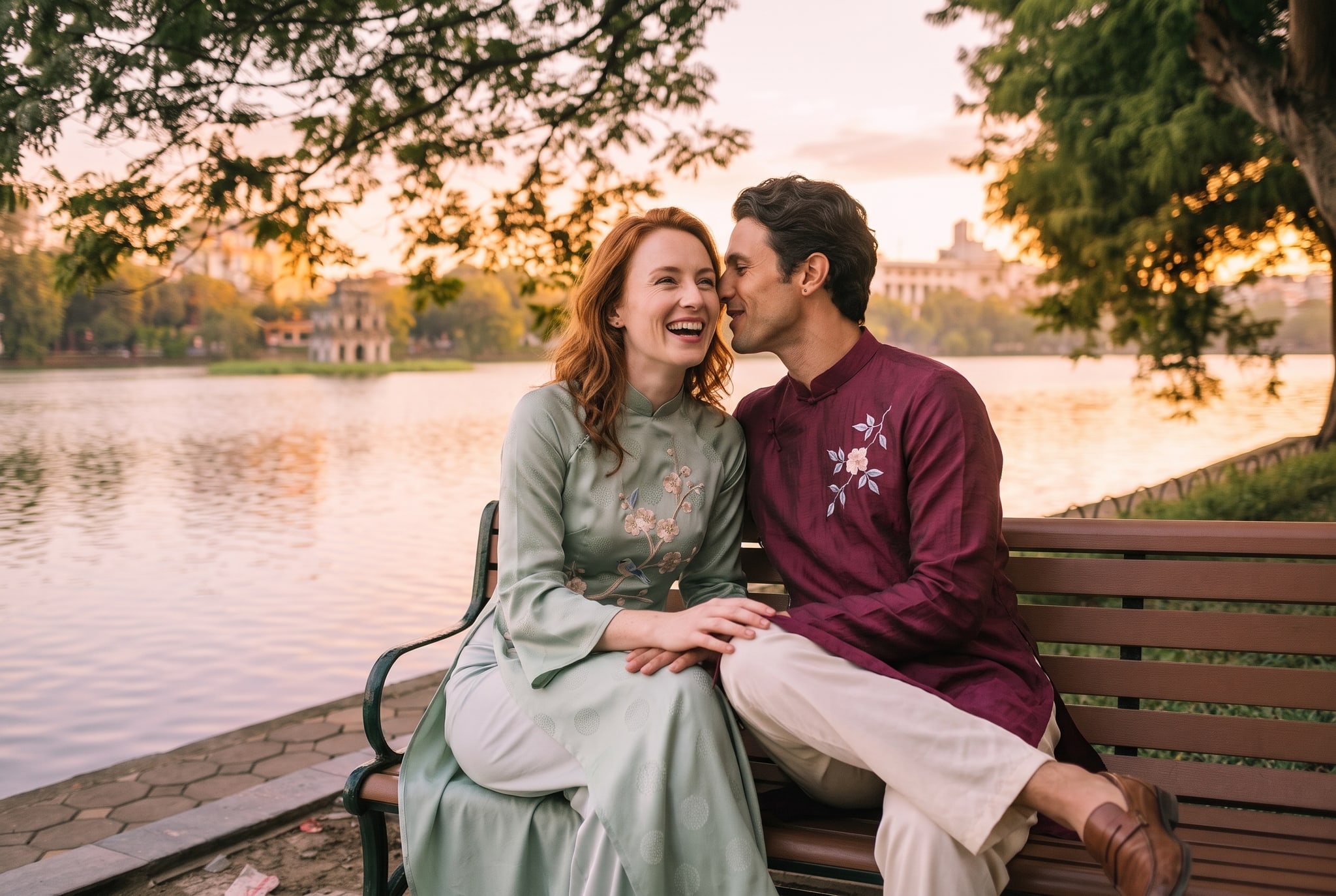
If you're planning a couple photoshoot with matching ao dai, Tay Ho's intimate lanes suit slow-motion walks and backlit embraces better than busy Old Quarter backdrops. For family photoshoot ao dai sessions (3+ people), we scout early morning slots (5:45 am) to reserve the pagoda steps before day-trippers arrive. Solo travelers often combine Tay Ho with solo travel portraits at nearby Hoan Kiem Lake photo guide to maximize light and backdrop variety on the same morning. Pre-wedding photoshoot couples book Tay Ho for half-day shoots (4–5 hours) pairing morning ao dai with afternoon Western wear on the water. Graduation photoshoot frames often use Tay Ho's pagoda steps and tree shade for formal class-day portraits in early June (note: high humidity post-monsoon, so lightweight fabrics matter). We coordinate all of these via WhatsApp and manage ao dai fitting, makeup and timing—no hidden fees, exact quotes upfront.
FAQ
Can I wear my own ao dai, or do I need to rent?
You can wear your own if it's fitted and wrinkle-free; we recommend rental if yours is new (stiffness shows on camera) or you're not comfortable in it all morning. Makeup, hair & ao dai rental includes professional pressing and fitting—rented ao dai are photographed fresh without wrinkles.
What if it rains the morning of my shoot?
We reschedule to the next dry day at no extra charge. Tay Ho's pagoda interior and covered market offer rain-backup spots, but light quality drops 2–3 stops and mood shifts; we recommend postponing unless you prefer moody/atmospheric tones. Ask about our reschedule terms when you book.
How long does a typical Tay Ho ao dai session last?
2–3 hours for solo or couple shoots; we spend 30 minutes on positioning, outfit checks and 10–15 setups per location. Family shoots run 3–4 hours to cover group poses, individual portraits and walking shots. Morning shoots fit one location tight; afternoon sessions can add a second nearby spot (Old Quarter alley, for example).
Do I need to tip or pay extra for temple access?
No. Tay Ho Pagoda doesn't charge photographers for non-commercial ao dai sessions; we've coordinated with staff for years and never encountered fees. Commercial/advertisement shoots require formal permit (ask us if you're unclear).
What if I'm anxious about posing or uneven ground?
We always do a 5-minute demo before shooting. Stand closer to camera (wider angles look less wobbly on uneven surfaces), wear flat shoes until setup, and trust our eye—we'll guide you step-by-step and scrap any frame where you look uncomfortable. Non-models are our norm; we've shot 100+ nervous first-timers at Tay Ho.
Can I see sample photos from other Tay Ho shoots before I book?
Yes—ask on WhatsApp and we'll share 8–12 portraits from similar light/season conditions. We don't publish client faces without consent, so we show edited samples without identifying details. This helps you visualize light and outfit choices specific to your date and preferred style (backlit, side-lit, reflection shots, etc.).
Check dates
Send your dates, how many people and the style you like. We reply on WhatsApp in English with spots, timing and a quote.
FAQ
Can I wear my own ao dai, or do I need to rent?
You can wear your own if it's fitted and wrinkle-free; we recommend rental if yours is new (stiffness shows on camera) or you're not comfortable in it all morning. [Makeup, hair & ao dai rental](/makeup-and-styling) includes professional pressing and fitting—rented ao dai are photographed fresh without wrinkles.
What if it rains the morning of my shoot?
We reschedule to the next dry day at no extra charge. Tay Ho's pagoda interior and covered market offer rain-backup spots, but light quality drops 2–3 stops and mood shifts; we recommend postponing unless you prefer moody/atmospheric tones. Ask about our reschedule terms when you book.
How long does a typical Tay Ho ao dai session last?
2–3 hours for solo or couple shoots; we spend 30 minutes on positioning, outfit checks and 10–15 setups per location. Family shoots run 3–4 hours to cover group poses, individual portraits and walking shots. Morning shoots fit one location tight; afternoon sessions can add a second nearby spot (Old Quarter alley, for example).
Do I need to tip or pay extra for temple access?
No. Tay Ho Pagoda doesn't charge photographers for non-commercial ao dai sessions; we've coordinated with staff for years and never encountered fees. Commercial/advertisement shoots require formal permit (ask us if you're unclear).
What if I'm anxious about posing or uneven ground?
We always do a 5-minute demo before shooting. Stand closer to camera (wider angles look less wobbly on uneven surfaces), wear flat shoes until setup, and trust our eye—we'll guide you step-by-step and scrap any frame where you look uncomfortable. Non-models are our norm; we've shot 100+ nervous first-timers at Tay Ho.
Can I see sample photos from other Tay Ho shoots before I book?
Yes—ask on WhatsApp and we'll share 8–12 portraits from similar light/season conditions. We don't publish client faces without consent, so we show edited samples without identifying details. This helps you visualize light and outfit choices specific to your date and preferred style (backlit, side-lit, reflection shots, etc.).
More like this
Hanoi photo spots
Hanoi Book Street Family Photos: Best Times, Rules & Posing Tips
Hanoi Book Street (Phố Sách) offers tree-lined, traffic-light backdrops perfect for family photos. We guide you through light timing, local rules, and kid-friendly posing to avoid crowds and capture genuine moments.
Hanoi photo spots
Duong Lam Ancient Village Photo Spots: Best Times & Light Guide
Duong Lam Ancient Village, 45 km southwest of Hanoi, holds Vietnam's oldest intact rural architecture—tile-roofed houses, brick kilns and narrow lanes where morning mist holds light for 90 minutes. We photograph here year-round for solo travelers, families and couples seeking authentic, off-beat Han
Hanoi photo spots
Duong Lam Ancient Village: Crowd-Free Times & Photo Spots
Duong Lam Ancient Village, 45 km southwest of Hanoi, draws tourists year-round—but early mornings and weekdays offer near-empty temple courtyards and village lanes. We share exact timing, seasonal light, and how to pair a visit with professional portraits.