
Home › Blog › Solo travel portraits
Portrait Photographer Hanoi Old Quarter: Best Time to Shoot
By the Hanoi Photoshoot team · 2026-11-06
The best time to shoot portraits in Hanoi's Old Quarter is dawn (6–8 a.m.) during September–November or February–March, when golden light angles across narrow streets and foot traffic remains light. Midday (11 a.m.–2 p.m.) causes harsh shadows; evenings (5–7 p.m.) draw crowds. Peak tourist seasons (December–January, April–May) mean competing for space, especially near Hoan Kiem Lake. At Hanoi Photoshoot by Cáo Studio, we scout locations the evening before, confirm light direction by season, and build 2–3 hour sessions to capture backlit doorways, lantern light, and quiet corners. Avoid Sundays and public holidays when families flood the district. Weather shifts fast in monsoon (May–August), so we plan rain backups. Budget 1–2 hours for setup, styling, and genuine pauses between frames—non-models need breathing room. Check dates on WhatsApp
Why morning light transforms the Old Quarter's walls
Old Quarter streets run north–south and east–west unevenly, so sun position shifts the usable frame hourly. At 6–7 a.m. (September–March), easterly light rakes brick, paint peels, and metal grilles with warm amber; shadows lengthen and texturize background walls. By 9 a.m., light flattens; by noon, it bleaches color and burns out skin tone. We've found that a 90-minute window (6:30–8 a.m.) yields the highest number of usable frames, especially near alleyways where overhead awnings create natural diffusion. Evening backlight (5:30–6:30 p.m.) works for silhouettes and rim-lit hair, but you'll compete with market setup crews and delivery motorbikes. Winter (December–February) brings consistent dry light; monsoon (June–August) demands flash and reflectors, adding 20–30 minutes to setup. Shoot in autumn or early spring, and light does half your work.
When do crowds actually thin in the Old Quarter?
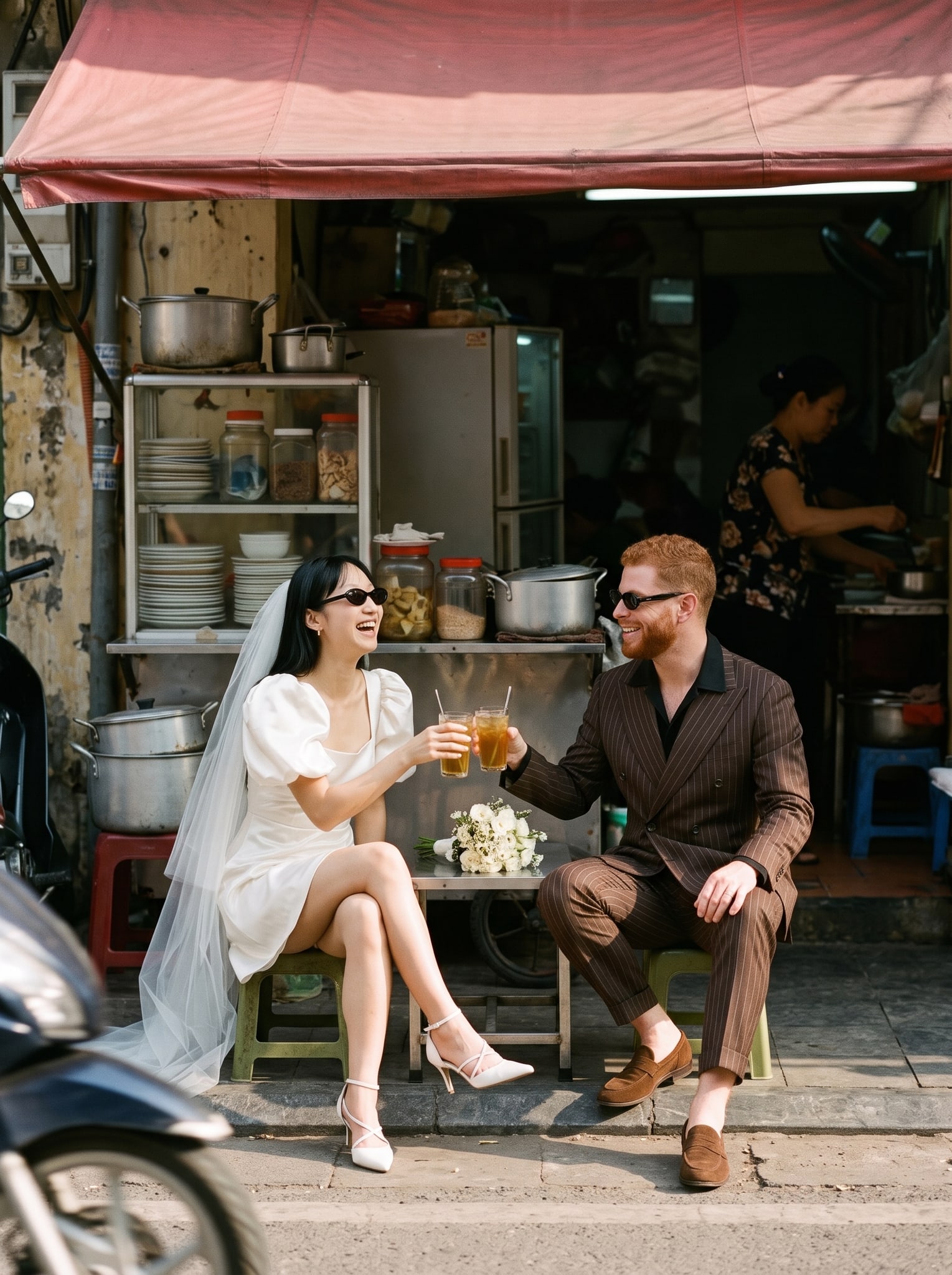
Weekdays before 8 a.m. show 70–80% fewer pedestrians than afternoons; Sundays and holidays triple foot traffic by 10 a.m. We track this by scouting the same three streets (Hang Dao, Hang Ngang, Ta Hien) on different days and times. June–August (summer, rainy, 32–35°C) sees the fewest foreign tourists, but heat and humidity challenge makeup and wrinkle clothes fast; locals working morning stalls still require permission-asking. September–November is ideal: cooler (20–25°C), drier, and fewer package tours. December–January peak coincides with dry, clear skies but brings dense crowds and higher noise from market activity. If you're shooting a non-model (travel portrait, graduation, engagement), choose weekday mornings in October or November for a 3:1 ratio of good light to interruption.
How light direction changes by season and street orientation
Old Quarter streets form a grid with gaps. Hang Dao (north–south) catches sunrise from the east by 6:45 a.m. in September; by January, the sun rises southeast, so direct light hits the street 30 minutes later. Hang Ngang (east–west) forces you to choose: backlight your subject morning-side for rim-lit hair and silhouette, or shoot into shade and burn sky. We prepare a seasonal light map (compass, street-level photos from prior weeks, and exact time windows) before every session. Summer sun climbs steeply (80° by noon), making alleyways darker and requiring reflectors; winter sun stays low (45° at noon), creating longer shadows and deeper texture. If you want soft, diffused light without direct sun, choose alleys where overhead wires and shopfronts act as natural silk screens—these work year-round but offer less drama than golden-hour side-light. A 90-minute booking in late morning (8–9:30 a.m., September–March) often beats a stressed pre-dawn start.
What seasons and conditions actually ruin Old Quarter shoots?
May–August monsoons bring 80–90% humidity, sudden downpours, and 32–35°C heat that warps makeup and exhausts non-models. Clothing wrinkles and clings; hair frizzes within minutes outdoors. December–January crowds peak: tour groups, motorbike taxis, and market setup trucks fill narrow streets 7 a.m. onward, forcing 20–30 minute waits between frames. Haze (late autumn, agricultural burning inland) reduces contrast and softens distant alleyways (sometimes good, often muddy). Weekends and lunar new year (late January/early February) are chaotic. Avoid overcast days with flat, white sky—no shape, no color separation. Early mornings on weekdays in October or November sidestep all four problems. If you must shoot December–May, book pre-dawn (5:30 a.m.) or plan 4 hours to account for crowds.
Which Old Quarter streets work best for different portrait styles?
| Street | Light | Vibe | Best Time | Faces Per 2 Hr |
|---|---|---|---|---|
| Hang Dao (north–south) | East-facing, direct sunrise 6:45–8:30 a.m. | Shopfronts, lanterns, weathered paint | Sept–March dawn | 12–18 |
| Hang Ngang (east–west) | Backlit (a.m., west end), harsh noon | Narrow, tunnel-like, moody | 6:30–7:30 a.m. or 5–6 p.m. | 8–12 |
| Ta Hien (tight alley) | Dappled (overhead wires, awnings) | Chaotic, bohemian, food stalls | 7–9 a.m. weekdays | 6–10 |
| Shaded alleys (interior) | Soft, even, no direct sun | Intimate, moody, no contrast | 8 a.m.–4 p.m. any season | 10–14 |
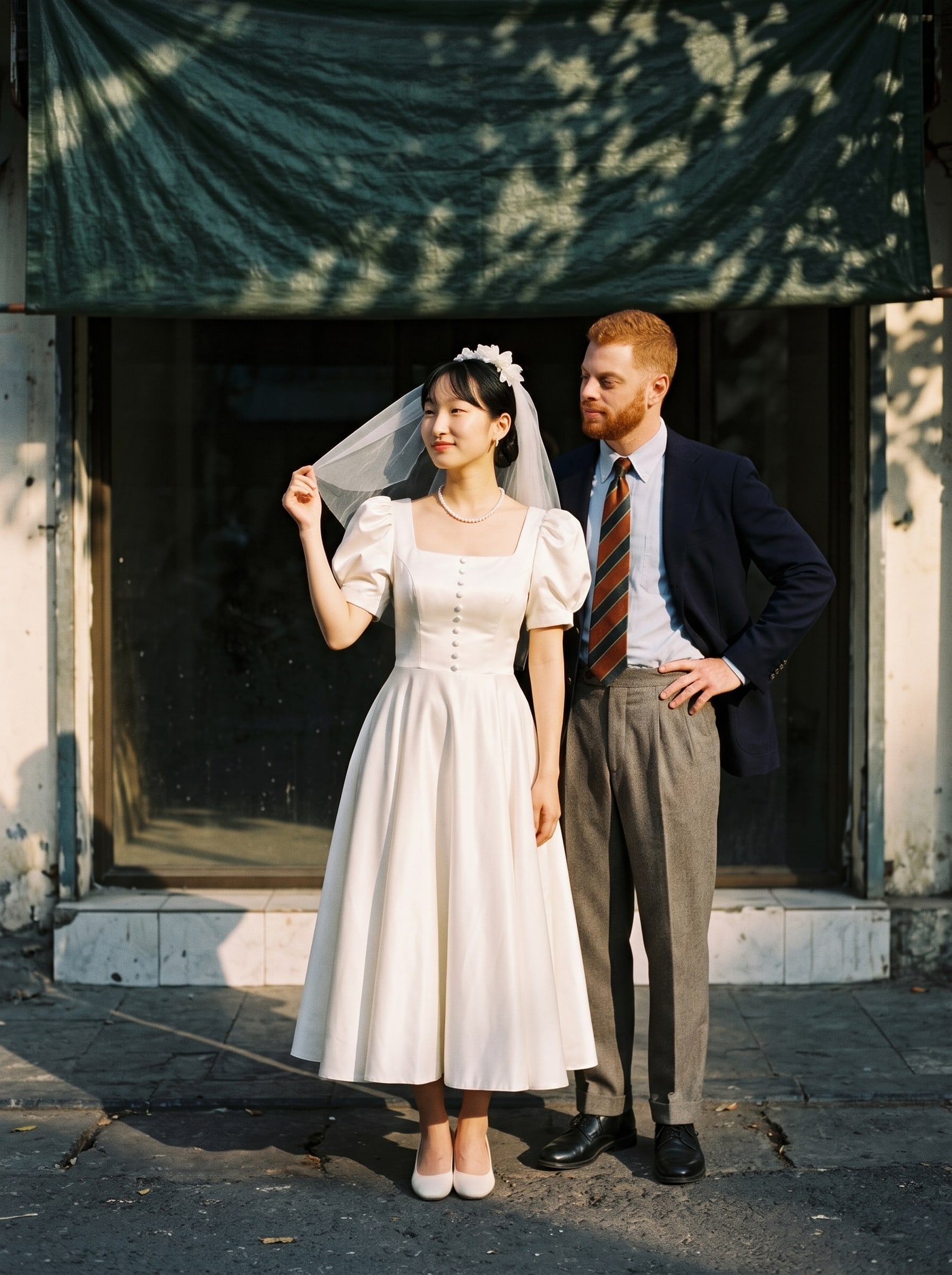
Hang Dao yields the most consistent golden light for travel portraits and solo portrait sessions; Ta Hien suits lifestyle and energy work but needs crowd management. Shaded alleys suit intimate portraits (couples, mothers and children) year-round but demand good reflector work. For non-model clients wanting "authentic Old Quarter" without overexposure, we typically shoot Hang Dao first (golden, structured), then pivot to a shaded interior alley (relaxed, colorful, private). This gives variety and paces the 2–3 hour session.
How to avoid the top three mistakes when timing your Old Quarter session
Mistake 1: Arriving at 10 a.m. expecting quiet morning light. Light is gone; crowds are thick. Midday sun is 30–40° overhead, casting small dark shadows under eyes and chin. We've seen 100+ walk-ups kill a 2-hour session by noon. Solution: book 6:30–8:30 a.m., no exceptions.
Mistake 2: Choosing December for "perfect weather" without knowing peak tourism. Dry and cool, yes—but the Old Quarter sees 4–5× normal foot traffic December–January. You'll wait 15–20 minutes between frame opportunities. Interior alleys (shaded) work better than exposed streets in peak season. Solution: September–November or February–March, weekdays before 8 a.m.
Mistake 3: Not confirming weather and street access the day before. Markets move stalls (5–6 a.m.), construction appears overnight, and monsoon storms flood alleyways. We photograph your planned route the evening prior, check weather radar, and adjust timings. Solution: book 48 hours ahead; we'll scout and confirm.
What to check before you book your Old Quarter portrait session
- Date and time windows. Confirm dawn (6–8 a.m.) or late afternoon (5–6 p.m.); avoid 10 a.m.–4 p.m. midday.
- Your comfort with crowds and early starts. Non-models often find 7 a.m. harder than expected; we brief you on pacing and rest breaks.
- Weather and monsoon risk. Check historical rainfall (June–August highest risk); we always have indoor backup locations in the Old Quarter.
- Street and permit logistics. Avoid Sundays and lunar new year; weekday mornings clear faster. Some shopfront portraits require owner permission (we handle this).
- Outfit and makeup durability. Cotton and linen hold shape longer than silk in humidity; waterproof makeup is essential even in "dry" seasons.
- Session length. 2 hours is standard for 40–60 edited images; 3 hours allow multiple streets and location changes without rushing.
We offer solo portrait sessions tailored to light and season, plus styling via makeup, hair and ao dai. For couples or family portraits in the Old Quarter, see our couple photoshoot and family photoshoot guides.
Pages from our team you may need
- ao dai photoshoot in Hanoi
- couple photoshoot
- family photoshoot
- solo travel portraits
FAQ
What's the earliest I can start a shoot in the Old Quarter without looking exhausted?
6:30 a.m. is realistic for most non-models; 6 a.m. is pushing it unless you're a morning person. We recommend a light breakfast 30 minutes before and one coffee. Styling (makeup, hair) takes 20–30 minutes on-site, so arrive 15 minutes early, not rushed.
Does the Old Quarter close or restrict photography at certain times?
No official closure, but markets operate 5 a.m.–10 a.m. and stall setup can block alleyways. Shop owners are usually permissive if you're respectful. Avoid political or military sites (marked). We scout beforehand and confirm access.
Is September–November actually better than December–January?
Yes, for light and crowds. September–October: warm (22–28°C), fewer tourists, consistent golden sunrise. December–January: cool (15–20°C), dry, but 4–5× the foot traffic and sometimes hazy air. February–March is also excellent and less crowded.
Can I shoot midday and still get good Old Quarter portraits?
Technically yes, but you'll fight shadows, blown highlights, and 100+ pedestrians per hour. Shaded alleys or indoor shopfronts work better noon–3 p.m., but you lose the iconic Old Quarter light and texture. Invest 2 hours at sunrise instead.
If I'm only in Hanoi for one day, what's my best shot at a good Old Quarter portrait?
Arrive the evening before to scout, then book a 2-hour dawn session (6:30–8:30 a.m.) on a weekday if possible. If that's not feasible, a 7–9 a.m. Sunday is your backup (slightly busier but workable). Avoid peak tourist months (Dec–Jan, Apr–May). We offer flexible booking and can adjust 24 hours prior if you update us.
Check dates
Send your dates, how many people and the style you like. We reply on WhatsApp in English with spots, timing and a quote.
FAQ
What's the earliest I can start a shoot in the Old Quarter without looking exhausted?
6:30 a.m. is realistic for most non-models; 6 a.m. is pushing it unless you're a morning person. We recommend a light breakfast 30 minutes before and one coffee. Styling (makeup, hair) takes 20–30 minutes on-site, so arrive 15 minutes early, not rushed.
Does the Old Quarter close or restrict photography at certain times?
No official closure, but markets operate 5 a.m.–10 a.m. and stall setup can block alleyways. Shop owners are usually permissive if you're respectful. Avoid political or military sites (marked). We scout beforehand and confirm access.
Is September–November actually better than December–January?
Yes, for light and crowds. September–October: warm (22–28°C), fewer tourists, consistent golden sunrise. December–January: cool (15–20°C), dry, but 4–5× the foot traffic and sometimes hazy air. February–March is also excellent and less crowded.
Can I shoot midday and still get good Old Quarter portraits?
Technically yes, but you'll fight shadows, blown highlights, and 100+ pedestrians per hour. Shaded alleys or indoor shopfronts work better noon–3 p.m., but you lose the iconic Old Quarter light and texture. Invest 2 hours at sunrise instead.
If I'm only in Hanoi for one day, what's my best shot at a good Old Quarter portrait?
Arrive the evening before to scout, then book a 2-hour dawn session (6:30–8:30 a.m.) on a weekday if possible. If that's not feasible, a 7–9 a.m. Sunday is your backup (slightly busier but workable). Avoid peak tourist months (Dec–Jan, Apr–May). We offer flexible booking and can adjust 24 hours prior if you update us.
More like this
Solo travel portraits
How Many Edited Photos Do You Get from a Hanoi Vacation Shoot?
When you book a vacation portrait session in Hanoi with Cáo Studio, the number of edited images you receive depends on session length, location and your brief. We walk through the realistic count, editing timeline, and what affects the final gallery.
Solo travel portraits
Solo Travel Photoshoot Tay Ho: Best Time & Seasons
Tay Ho district offers intimate lakeside and temple backdrops for solo travelers. October–November and March–April deliver soft light, minimal rain, and manageable crowds—ideal for authentic Hanoi portraits without the summer heat or winter haze. #
Solo travel portraits
Solo Travel Photoshoot Hanoi Lotus Pond: Light, Crowds & Posing Tips
Lotus ponds demand early arrival and patience—crowds peak mid-morning. We guide you through seasonal light, posing without modeling experience, and outfit choices that work in water-adjacent settings.