
Home › Blog › Hanoi photo spots
French Quarter Hanoi Photoshoot Guide: Light, Streets & Outfits
By the Hanoi Photoshoot team · 2026-11-06
The French Quarter (Tây Hồ's tree-lined colonial streets between Hàng Ma and Phan Bội Châu) is a working neighborhood, not a museum—so photoshoots work best early morning (06:00–09:00) or late afternoon (16:30–sunset) when foot traffic is low and light is soft and directional. We at Cáo Studio's Hanoi Photoshoot book 2–3 hour sessions here for ao dai, couples, solo travelers and pre-wedding portraits. Avoid midday (10:30–15:00) when tropical sun bleaches colors and heat exhausts non-models. The area has no entry fees, but locals live there: be quiet, move fast and always ask before shooting someone's home or shop. Bring water, wear comfortable shoes (cobblestones are uneven) and choose breathable fabrics. Cost basis: ask us for a quote on WhatsApp. This guide covers light by hour and season, posing for non-models, outfit strategy and what to avoid. Check dates on WhatsApp
Why is the French Quarter better than Old Quarter for photoshoots?
The French Quarter is quieter, less touristy and has wider streets with consistent colonial architecture—unlike the Old Quarter's dense alleys and constant hawkers. Yellow shutters, potted plants and tree shade create frame-within-frame compositions naturally. The neighborhood is residential, not commercial, so you can move without dodging souvenir stalls. That said, both areas suit different vibes: Old Quarter feels chaotic and energetic, French Quarter feels romantic and editorial. For dense, street-life energy, explore the Old Quarter photo guide. French Quarter suits couples, solo travelers and anyone wanting calm, curated backgrounds.
What's the best season and time of day for light?
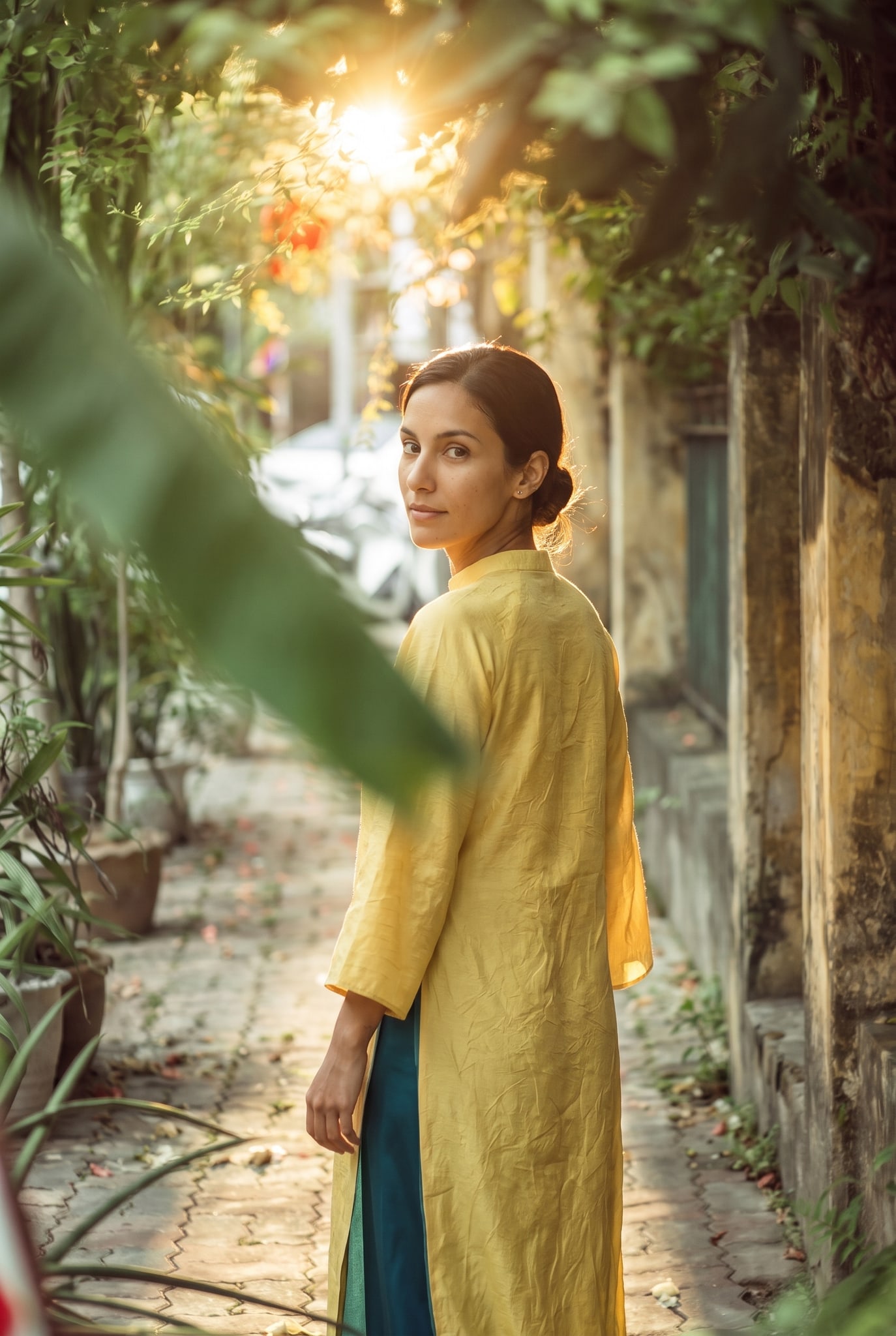
October–December (autumn/early winter): light is cleanest 06:30–09:00 and 17:00–18:00; air is crisp and colors pop. January–March (late winter/spring): similar windows, but haze increases after 14:00; morning light is golden and soft. April–September (summer/monsoon): avoid 10:30–15:00 entirely—heat and glare ruin skin tone and create harsh shadows. Early morning (05:30–07:30) light is diffused and cool; late afternoon (17:30–sunset) bounces warm tones off shutters. Rain is common April–August; after rain, wet cobblestones reflect light beautifully but create slipping hazards. Plan 2–3 hour sessions to capture both golden bookend hours. Clouds are your friend: on overcast days, shoot 09:00–16:00 without worry.
Which outfits work best in this setting?
Ao dài is ideal—the silk catches light, the color contrasts with yellow-shuttered walls, and the silhouette suits long-frame shots down narrow streets. Pastels (soft pink, cream, pale blue) read better than darks against colonial greens and yellows; we offer ao dai rental and in-house styling to ensure fit and color harmony. For couples, one partner in ao dài and one in neutral linen (cream shirt, linen pants) avoids visual clash. Solo travelers in summer dresses or vintage-inspired shirts (think 1970s linen) match the colonial mood. Avoid all-black (too heavy), athletic wear (kills the editorial feel) and busy patterns (compete with architecture). Closed shoes work on cobblestones; sandals invite rolled ankles. Bring a light shawl or kimono for layering—light changes fast and the shade under trees can feel chilly.
How do you pose naturally on narrow streets without looking stiff?
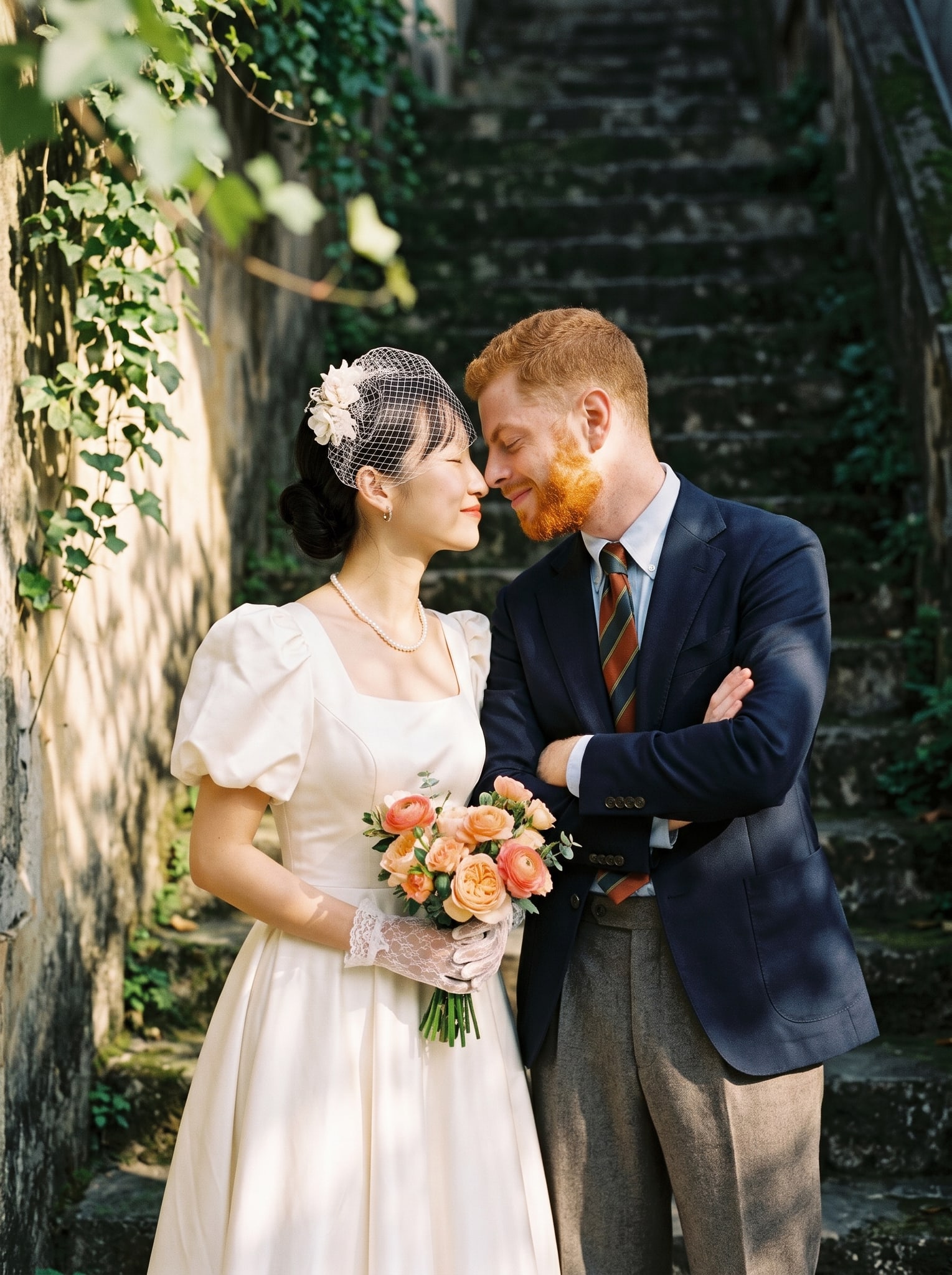
Walk-and-turn poses feel more authentic than static standing. Ask the subject to walk toward us, pause mid-step, then look back over shoulder—this catches natural light on the face and relaxes shoulders. For couples, have them walk hand-in-hand down the center of an alley (few cars use these streets), stop, and face each other with heads close—foreheads nearly touching reads intimate without being awkward. Sitting on café stools (ask permission) lets you shoot from above, flattening the background. Standing with back to camera, looking up at shutters or trees, works when you want mystery. The key: give non-models a task (walk, look at architecture, adjust collar) rather than "look natural"—busy hands and eyes beat frozen smiles. We always spend 10 minutes walking the route first, scouting light and talking through poses so everyone feels ready.
What rules or restrictions should you know?
Residents have the right to privacy—never shoot someone's home interior or private courtyard without permission. Some shuttered colonial buildings are government offices; if you see "No Photography" signs (rare but possible), move on. Temples attached to streets (like Ngọc Sơn or smaller shrines) allow photos in courtyards but not if monks are praying; dress respectfully (covered shoulders/knees). Traffic is light but present; always position shoots away from street centers and watch for motorbikes turning into alleys. No tripods or drones—locals find them intrusive. If asked by a resident or vendor, smile, explain you're doing a photoshoot, and move if they decline. We've never had a serious issue, but respect matters.
Which specific streets and corners photograph best?
Hàng Mã and Lý Thái Tổ form an open grid with consistent shuttered buildings and mature trees—ideal for wide shots and silhouettes. Tạ Hiện's upper section (near Hàng Mã) has fewer tourists than the lower bar area and golden afternoon light hits the west-facing walls beautifully. Phan Bội Châu, running north-south, is quiet and tree-lined; northern stretch near Hàng Ngang offers secluded corners perfect for couple shots. Trần Huy Liệu has small parks and benches—good for sitting poses and overheads. The alley between Tạ Hiện and Lý Thái Tổ (often unmarked) is a favorite because it's narrow, quiet and lit by soft side-light from shutters. Avoid Tạ Hiện's south end after 17:00 when bars open and crowds swell. Scout via Google Maps Street View first; on the day, walk 20 minutes before shooting begins to find the best light angles.
How does crowd timing affect your shoot quality?
06:00–08:30 is near-empty; locals jogging, shopkeepers opening. 08:30–10:30 brings school runs and delivery bikes—manageable if you move quickly between shots. 10:30–14:00 is tourists and lunch groups; avoid this window entirely. 14:00–16:30 quiets again as locals rest; light is harsh but manageable near shade. 16:30–18:00 peaks again (people heading home, restaurants prepping), but light compensates for foot traffic. Weekdays (Monday–Thursday) see 40% fewer tourists than weekends; if flexible, book then. Early morning is your advantage—move fast, frame tightly and you'll have entire alleys to yourselves. We factor this into every session: book 06:30 start for sunrise glow on shutters, finish by 09:30, and clients usually report seeing fewer than 5 other people. The tradeoff: you need to wake early and bring breakfast.
What preparation and backup plan should you make?
Check weather 2 days before—if rain is forecast for your time slot, reschedule rather than shoot in downpour (wet silk ao dài is hard to dry, and slipping is real). Bring: 2L water per person, a small towel (sweat shows on video), phone charger or portable battery, and basic first aid (blisters are common on cobblestones). Wear a watch and set alarms for light changes—golden hour lasts 45 minutes, not all morning. Scout your route the day before if possible; take photos of light angles to show your photographer. Have a backup indoor location (a café with permission, a colonial building lobby if accessible) in case of sudden rain. Wear layers—shade under trees can be 5°C cooler than direct sun. If anyone feels unwell (heat, exhaustion), we stop, rest in shade, and reschedule rather than push through. A failed shoot is better than a sunstroke.
| Aspect | French Quarter | Old Quarter | Hoan Kiem Lake |
|---|---|---|---|
| Crowd level | Low–medium (06:00–09:00) | High always | Medium (sunrise only) |
| Light quality | Soft, directional (morning/evening) | Chaotic, variable | Reflective, golden (dawn) |
| Background style | Colonial, uniform | Street chaos, dense | Water, trees, monuments |
| Outfit fit | Ao dài, pastels | Bold colors, edgy | Bright, flowing |
| Best for | Couples, editorial, solo | Street vibe, energy | Romantic, landscape |
| Timing to book | 06:30–09:00 start | 07:00–08:00 start | 05:00–06:30 start |
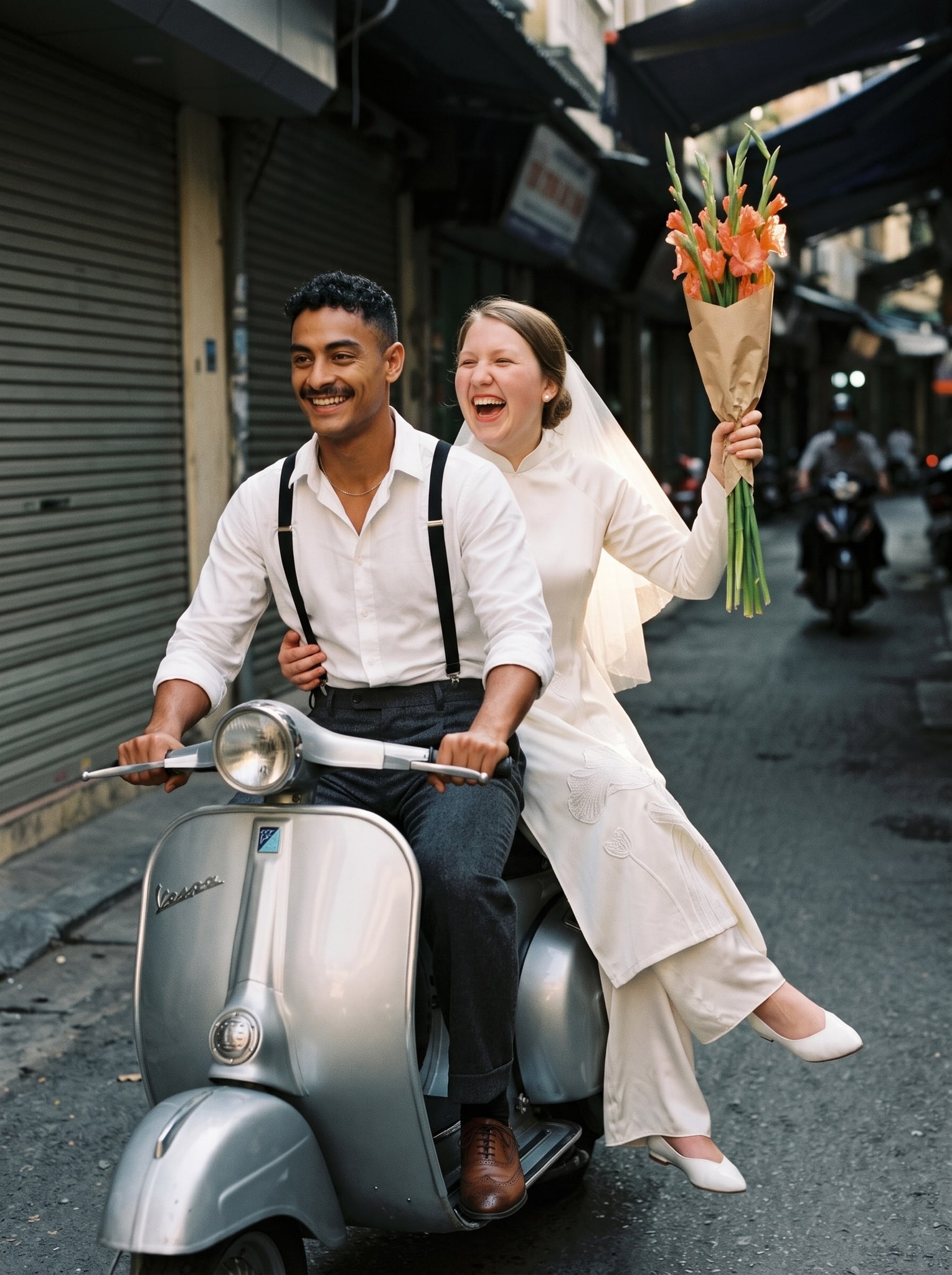
For couple photoshoots or solo travel portraits, the French Quarter's calm and light make it ideal. We also offer pre-wedding sessions here if you want romance before the big day. For ao dai photoshoots, we handle makeup, hair and rental so you arrive ready to shoot. If you'd like to combine this with other Hanoi spots—Hoan Kiem Lake or Train Street—we can design a full-day itinerary.
What to check before you book
Confirm your session length and exact start time (early starts require pickup coordination). Verify outfit choice with us if unsure (we can advise color and fit via WhatsApp). Check the weather forecast 48 hours before and notify us if you need to reschedule. Ask if you need a permit for tripods or drones (answer: no personal tripods; we bring professional gear if needed). Clarify whether the session includes other locations or just the French Quarter. If you have mobility limits or heat concerns, tell us upfront—we adjust timing and intensity. Bring comfortable shoes and a full water bottle on the day.
How to get there and what to bring
The French Quarter is walkable from Hanoi's city center (15–20 minutes from Hoan Kiem Lake). We arrange pickup and transport as part of the booking—ask us on WhatsApp. Arrive 10 minutes early if you're self-driving; parking is limited and we'll advise a safe spot. Bring: photo ID, phone charged, 2L water, sunscreen (reapply every hour), a light cardigan, cash (small vendors may not have change), and a snack. Wear closed-toe shoes with good grip—cobblestones are slippery when wet or dusty. If you're renting an ao dài from us, we'll ship it prepped; plan 30 minutes for fitting the morning of your shoot. Leave valuables in your hotel; pickpockets are rare but possible in crowded areas.
Ready to shoot? Contact us on WhatsApp with your preferred dates, outfit ideas and whether you want makeup and styling included. We'll send a quote, check light forecasts and guide you through every step. The French Quarter is waiting—early light, quiet alleys, and the perfect backdrop for your Hanoi story.
FAQ
Can we shoot the French Quarter year-round, or are some seasons off-limits?
All seasons work, but avoid April–August midday (10:30–15:00) due to heat and glare. October–March is ideal: cooler, clearer light, lower humidity. Monsoon rain (May–September) can happen suddenly, so always check weather 48 hours before. Early morning and late afternoon suit any season.
Do we need permits to shoot in the French Quarter?
No formal permit needed for personal or professional photoshoots. Respect residents' privacy, don't shoot private properties, and ask permission before photographing individuals. If a resident objects, move locations politely. Temples on the street boundary require respectful dress but allow courtyard photography.
How long should a French Quarter photoshoot session last?
2–3 hours is ideal to capture both morning light (06:30–09:00) and evening glow (16:30–18:00) if you book split sessions, or one deep session (06:30–09:00) for 2–3 looks. Solo travelers often book 2 hours; couples and families usually take 3.
What if the weather turns bad on the day of our shoot?
We monitor forecasts together. If rain is heavy, we reschedule to the next available dry slot—no penalty. Light rain can work (wet streets photograph beautifully), but downpours risk gear damage and ao dài soaking. We decide together 2 hours before start time.
Can we combine French Quarter with other Hanoi photo spots in one day?
Yes. French Quarter morning (06:30–09:00), break for brunch, then Hoan Kiem Lake or Old Quarter afternoon light. Train Street requires early evening. We customize itineraries and manage travel time—ask for a full-day quote on WhatsApp.
Do you provide ao dai rental, and can we use it in the French Quarter?
Yes—we offer in-house ao dai rental and makeup/styling. Ao dài photographs beautifully here; the silk catches shuttered light and the silhouette suits narrow-street framing. We'll send size and color options; sizing takes 20 minutes on shoot day.
Check dates
Send your dates, how many people and the style you like. We reply on WhatsApp in English with spots, timing and a quote.
FAQ
Can we shoot the French Quarter year-round, or are some seasons off-limits?
All seasons work, but avoid April–August midday (10:30–15:00) due to heat and glare. October–March is ideal: cooler, clearer light, lower humidity. Monsoon rain (May–September) can happen suddenly, so always check weather 48 hours before. Early morning and late afternoon suit any season.
Do we need permits to shoot in the French Quarter?
No formal permit needed for personal or professional photoshoots. Respect residents' privacy, don't shoot private properties, and ask permission before photographing individuals. If a resident objects, move locations politely. Temples on the street boundary require respectful dress but allow courtyard photography.
How long should a French Quarter photoshoot session last?
2–3 hours is ideal to capture both morning light (06:30–09:00) and evening glow (16:30–18:00) if you book split sessions, or one deep session (06:30–09:00) for 2–3 looks. Solo travelers often book 2 hours; couples and families usually take 3.
What if the weather turns bad on the day of our shoot?
We monitor forecasts together. If rain is heavy, we reschedule to the next available dry slot—no penalty. Light rain can work (wet streets photograph beautifully), but downpours risk gear damage and ao dài soaking. We decide together 2 hours before start time.
Can we combine French Quarter with other Hanoi photo spots in one day?
Yes. French Quarter morning (06:30–09:00), break for brunch, then [Hoan Kiem Lake](/spots/hoan-kiem-lake) or [Old Quarter](/spots/hanoi-old-quarter) afternoon light. [Train Street](/spots/hanoi-train-street) requires early evening. We customize itineraries and manage travel time—ask for a full-day quote on WhatsApp.
Do you provide ao dai rental, and can we use it in the French Quarter?
Yes—we offer [in-house ao dai rental and makeup/styling](/makeup-and-styling). Ao dài photographs beautifully here; the silk catches shuttered light and the silhouette suits narrow-street framing. We'll send size and color options; sizing takes 20 minutes on shoot day.
More like this
Hanoi photo spots
Hanoi Book Street Family Photos: Best Times, Rules & Posing Tips
Hanoi Book Street (Phố Sách) offers tree-lined, traffic-light backdrops perfect for family photos. We guide you through light timing, local rules, and kid-friendly posing to avoid crowds and capture genuine moments.
Hanoi photo spots
Duong Lam Ancient Village Photo Spots: Best Times & Light Guide
Duong Lam Ancient Village, 45 km southwest of Hanoi, holds Vietnam's oldest intact rural architecture—tile-roofed houses, brick kilns and narrow lanes where morning mist holds light for 90 minutes. We photograph here year-round for solo travelers, families and couples seeking authentic, off-beat Han
Hanoi photo spots
Duong Lam Ancient Village: Crowd-Free Times & Photo Spots
Duong Lam Ancient Village, 45 km southwest of Hanoi, draws tourists year-round—but early mornings and weekdays offer near-empty temple courtyards and village lanes. We share exact timing, seasonal light, and how to pair a visit with professional portraits.