
Home › Blog › Hanoi photo spots
Duong Lam Ancient Village: What to Wear for Photos
By the Hanoi Photoshoot team · 2026-11-06
Duong Lam lies 30 km southwest of Hanoi and preserves 200+ year-old clay-tile houses, narrow lanes, and terraced rice paddies—terrain requiring sturdy footwear, breathable fabrics, and layers for morning mist or afternoon heat. Plan 4–6 hours there; arrive by 6:30 a.m. for golden pre-dawn light or 3:30 p.m. for warm afternoon glow. Avoid midday (11 a.m.–2 p.m.) sun on exposed skin. Cáo Studio's Hanoi Photoshoot team books makeup, hair, and ao dai rental in-house, so you can change outfits mid-shoot. Wear long, loose cotton or linen for tradition-forward images; bring a second outfit (jeans, a long skirt, or simple shirt) for variety. Dark colors absorb heat; pastels and whites reflect it. Skip heels—unpaved paths and cobblestones demand flat, water-resistant shoes. Check the weather forecast 48 hours before; rain turns clay lanes muddy and atmospheric, but shoes get heavy. Budget 2–4 outfit changes across the day. Check dates on WhatsApp
What light hours suit different outfits at Duong Lam?
Golden hour (6:00–7:30 a.m. and 4:30–6:00 p.m.) flatters warm, earthy tones—ochre, rust, cream, soft orange—and casts long shadows that define clay walls. Morning mist (6:00–8:00 a.m.) softens harsh lines; white or pale linen glows. Midday sun (10:30 a.m.–3:00 p.m.) is harsh and unflattering; only wear bold, saturated colors (deep reds, navy, emerald) if you shoot then, because pastels wash out. Afternoon light (2:00–4:00 p.m.) is warm but still bright; darker fabrics photograph richly. Plan your outfit palette after choosing your shoot time. If you arrive early, bring a shawl or lightweight jacket for cool dawn air—you'll shed it by 9:00 a.m.
Which fabrics survive Duong Lam's terrain and climate?
Cotton and linen are ideal: they breathe in 28–32°C humidity, dry quickly if you brush against wet stone, and photograph without sheen or wrinkles that distract. Avoid silk (slippery on clay paths), polyester (traps sweat and clings in photos), and raw denim (too stiff for natural movement). Linen wrinkles are authentic to the village aesthetic and add texture. Thick cotton (chambray, poplin) works for structured pieces like shirts or ao dai overlays. If you wear layers (a long cardigan or overshirt for modesty at village temples), choose linen; it won't overheat you during 30+ minutes of walking and posing. Synthetic fabrics photograph flat and unforgiving in natural light.
How do seasonal changes affect your outfit strategy?
Spring (Feb–Apr): Cool mornings (15–18°C), warm afternoons (22–26°C). Wear layers—a long-sleeved shirt or ao dai with a light cardigan. Mist lingers; pastels are dreamy. Bring rain gear; showers are common. Summer (May–Aug): 32–38°C, intense humidity, sudden downpours. Wear the lightest cotton or linen you own; sleeveless or short-sleeved ao dai work. Avoid black (absorbs heat). Bring a hat, sunscreen, and quick-dry clothes. Crowds peak July–Aug; arrive by 6:30 a.m. Autumn (Sep–Nov): 20–28°C, low humidity, clear light. Ideal. Wear medium-weight fabrics; jewel tones sing. Dry paths mean no mud splashes. Winter (Dec–Jan): 12–18°C, occasional drizzle. Layer heavily—ao dai over thermal leggings, a wool cardigan, a long scarf. Damp stone is slippery; wear grippy-soled shoes. Plan a makeup, hair & ao dai rental session the day before so styling is fresh and your clothes aren't wrinkled from packing.
Should you wear traditional ao dai to Duong Lam, or modern clothes?
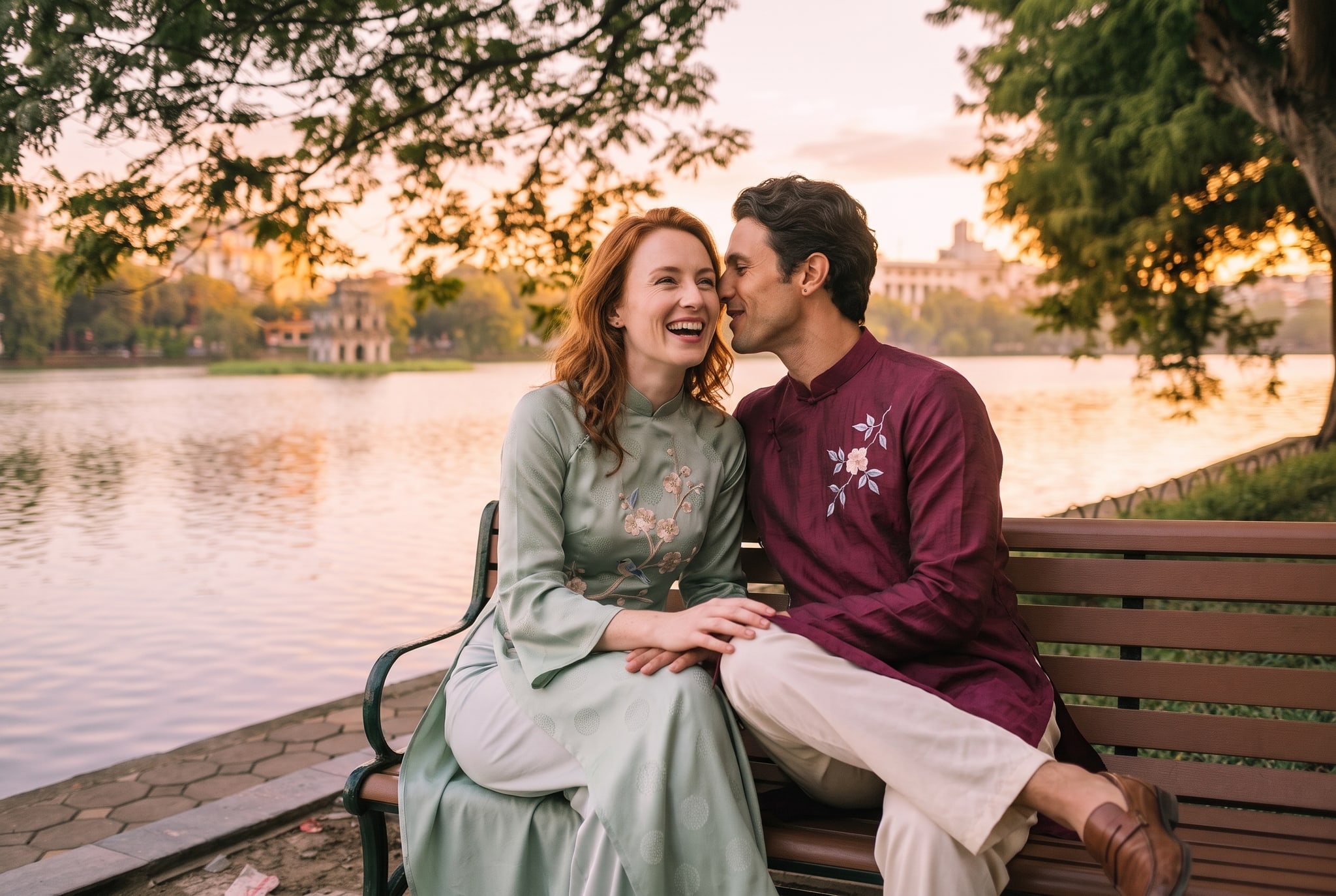
Ao dai (the flowing tunic worn over slim pants) is iconic at Duong Lam because the architecture and heritage create natural authenticity—not costume. If you rent ao dai, choose silk or cotton blends in solid colors (cream, indigo, dusty rose, forest green) or subtle prints; busy patterns fight the clay-and-tile backdrop. Modern clothes work equally well if you favor tailored styles (a crisp white shirt, fitted trousers, a simple long skirt) that echo the village's formal, time-worn character. Avoid logo-heavy streetwear, graphic tees, or athletic gear—they jar against the 18th-century setting. A mix of both works: open your shoot in modern clothes, then change into ao dai for closing shots. We offer makeup, hair & ao dai rental so you can pivot outfits without carrying luggage through uneven lanes.
What footwear navigates clay paths without ruining photos?
Flat shoes are non-negotiable: ballet flats (if clay is dry), leather loafers, minimalist sandals with ankle straps, or white canvas sneakers. Avoid sneakers with thick soles or neon logos; they dominate frames. Boots work in winter or after rain (provide grip), but heavy soles muddy quickly and are hard to clean. Avoid open-toe sandals (dust and sharp stones) and heels (twisted ankles and slow walking tire you out). Wear socks or padded insoles; 2+ hours of walking on stone wears feet raw. Bring a small towel or cloth to wipe shoes between outfit changes so clay doesn't transfer onto your hem. If paths are wet, leather-soled shoes slip dangerously; choose rubber soles. Test your shoes on a casual stroll in Hanoi first—no surprises mid-shoot.
Outfit Decision Framework: Duong Lam Photo Success
| Shoot Goal | Best Outfit Type | Color Palette | Footwear | Backup Piece |
|---|---|---|---|---|
| Heritage/ao dai focus | Silk or cotton ao dai over fitted pants | Cream, indigo, rust, forest green | Flat leather sandal or loafer | Cardigan (for temples) |
| Solo travel/casual | Long linen shirt + tailored trousers or skirt | Pastels, whites, warm neutrals | Canvas flats or minimalist sneaker | Lightweight scarf |
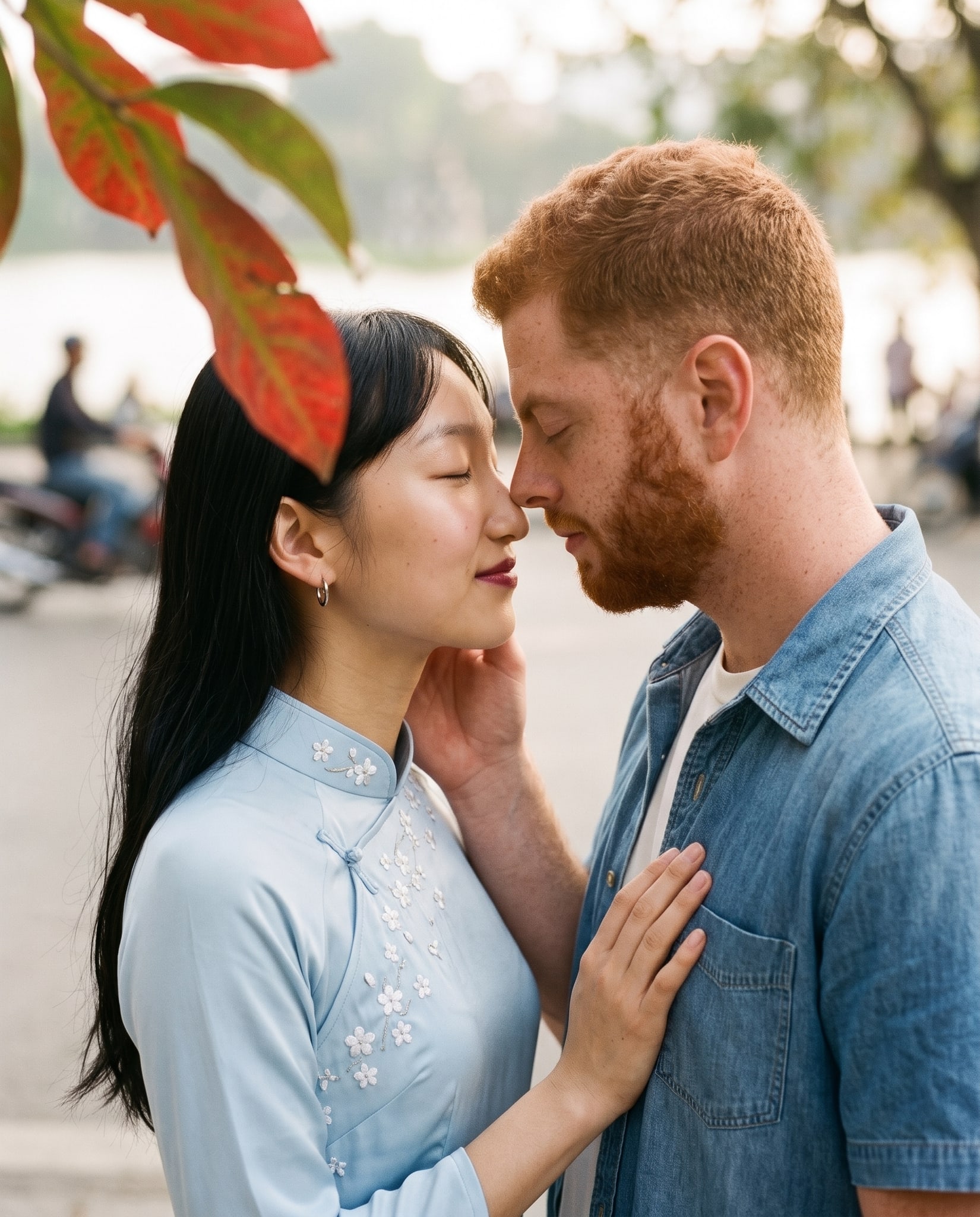
| Couple (romantic) | Matching earth tones or complementary jewel tones | Terracotta, olive, burgundy, gold | Both wear flats or loafers | Shawl for drape shots |
| Family portrait | Coordinated (not matching) neutral palette | Cream, soft gray, denim blue, tan | Comfortable flats for kids too | Extra child outfit (3 yo+ tire) |
| Pre-wedding | Formal but walkable (bride in ao dai or dress, groom in tailored shirt/vest) | Ivory, blush, navy, champagne | Bride: flat or low heel; groom: loafers | Ceremony-to-casual change |
What to Check Before You Book
- Forecast: Rain is atmospheric but muddy. Check 48 hours prior; bring water-resistant shoes if rain predicted.
- Footwear fit: Walk 20+ minutes in your chosen shoes beforehand; blisters kill energy mid-shoot.
- Ao dai rental timing: If renting, confirm styling session date so tailoring and hair coordinate.
- Sunrise/sunset time: Duong Lam is 30 km out; leave Hanoi by 5:45 a.m. for 6:30 a.m. arrival. Traffic varies; budget 50 minutes.
- Temperature and humidity: High humidity (80%+) wilts makeup and fabric; bring blotting powder and a portable fan.
- Outfit count and luggage: Limit to 2–3 outfits max (carries heavy, dirties easily). We help coordinate changes on-site.
Real Logistics: Travel, Time, and Fatigue
Getting to Duong Lam from central Hanoi takes 50–60 minutes by motorbike or car; we arrange transport coordination with you. The village itself spans 2 km of walkable lanes—roughly 30–45 minutes of continuous walking if you visit every photo spot (Duong Lam Communal House, rice fields, bridge over stream, tile-roofed homestays). You'll pose 5–10 times per outfit, so budget 45–60 minutes per outfit change. Morning shoots (6:30–9:30 a.m.) mean you're fresh but wear layers (mist is cool). Afternoon shoots (3:30–6:00 p.m.) are warmer but lower-energy—fatigue and sun glare can flatten expressions. Many clients mix both: 2-hour morning session, return to Hanoi for lunch and rest, then 2-hour evening session. This costs more (ask us for a quote on WhatsApp), but the variety is worth it for couple photoshoot and pre-wedding photoshoot galleries.
Temple and Sacred Space Etiquette in Dress Code
Duong Lam hosts two active temples (Duong Lam Communal House and a small pagoda) where locals pray. Respectful dress is essential: cover shoulders and knees, avoid bright neon or provocative styles, and remove hats when entering. Ao dai meets this automatically; modern clothes require a cardigan or scarf. Do not pose disrespectfully at altars or tombs; ask locals (or we will) before photographing interior sacred spaces. Violating temple etiquette alienates the community and can halt your shoot. Many clients book temple interiors as bonus shots (soft window light, aged wood) after morning outdoor photography.
How to Prevent Outfit Disaster: Mud, Sweat, and Wrinkles
Mud splashes: Wear darker hems if rain is forecast; change shoes between locations. We bring a small cloth to wipe your outfit mid-shoot.
Sweat stains: Cotton and linen breathe but show dampness. Bring an extra layer (a loose overshirt) to change into if you're visibly sweating. Deodorant and a small fan help.
Wrinkles: Linen wrinkles are OK; cotton can crease if packed tight. Unpack your outfit 2 hours before your shoot. We bring a small handheld steamer for touch-ups on-site.
Dust and clay on fabric: Bring wet wipes or a damp cloth. Clay dries on fabric and is hard to remove at home.
Shoe mud caked on pants: Brush dry clay off with a cloth. Wet mud requires careful blotting (don't rub, or it spreads).
Ready to shoot at Duong Lam? Our team coordinates all logistics: we arrange transport, handle outfit changes, provide on-site hair and makeup touch-ups, and know every lighting angle across seasons. Book your solo travel portraits, couple photoshoot, or family photoshoot with us today. Browse all Hanoi photo guides at our blog for more preparation tips.
FAQ
Can I wear shorts or sleeveless tops at Duong Lam?
Avoid both. Shorts disrespect temple spaces and look jarring against the heritage setting. Sleeveless may overheat you on stone paths. Wear long-sleeved or short-sleeved shirts and full-length pants or skirts.
What if rain falls on shoot day?
Duong Lam in rain is moody and atmospheric—wet clay deepens colors, mist softens backgrounds. Wear water-resistant shoes and bring a light rain jacket or poncho. Muddy paths slow you down, so we shorten the shoot slightly to preserve energy.
Should I wear makeup in the sun and humidity?
Yes, but use waterproof formulas and ask our makeup artist for sweat-proof products. We include makeup and styling in our shoot package; our team reapplies powder every 45 minutes and adjusts hair as needed.
How do I avoid looking stiff in traditional ao dai?
Ao dai photographs best when you're walking, not posing rigidly. We guide natural movement: walk toward the camera, turn gently, sit on stone steps. Practice arm positions beforehand so you're not self-conscious.
Can I change outfits multiple times in one session?
Yes. We recommend 2–3 outfits max per 4-hour shoot. More than 3 changes exhausts you and eats into posing time. Plan variety: ao dai, then modern casual, then family/couple coordinated look.
What happens if I don't like my clothes after seeing photos?
We share a gallery preview within 2 days. If an outfit reads poorly on camera (unusual glare, unflattering fit), we reschedule a quick outfit change at no extra cost within 30 days. Honesty upfront (try outfits in natural light at home) prevents this.
Check dates
Send your dates, how many people and the style you like. We reply on WhatsApp in English with spots, timing and a quote.
FAQ
Can I wear shorts or sleeveless tops at Duong Lam?
Avoid both. Shorts disrespect temple spaces and look jarring against the heritage setting. Sleeveless may overheat you on stone paths. Wear long-sleeved or short-sleeved shirts and full-length pants or skirts.
What if rain falls on shoot day?
Duong Lam in rain is moody and atmospheric—wet clay deepens colors, mist softens backgrounds. Wear water-resistant shoes and bring a light rain jacket or poncho. Muddy paths slow you down, so we shorten the shoot slightly to preserve energy.
Should I wear makeup in the sun and humidity?
Yes, but use waterproof formulas and ask our makeup artist for sweat-proof products. We include makeup and styling in our shoot package; our team reapplies powder every 45 minutes and adjusts hair as needed.
How do I avoid looking stiff in traditional ao dai?
Ao dai photographs best when you're walking, not posing rigidly. We guide natural movement: walk toward the camera, turn gently, sit on stone steps. Practice arm positions beforehand so you're not self-conscious.
Can I change outfits multiple times in one session?
Yes. We recommend 2–3 outfits max per 4-hour shoot. More than 3 changes exhausts you and eats into posing time. Plan variety: ao dai, then modern casual, then family/couple coordinated look.
What happens if I don't like my clothes after seeing photos?
We share a gallery preview within 2 days. If an outfit reads poorly on camera (unusual glare, unflattering fit), we reschedule a quick outfit change at no extra cost within 30 days. Honesty upfront (try outfits in natural light at home) prevents this.
More like this
Hanoi photo spots
Hanoi Book Street Family Photos: Best Times, Rules & Posing Tips
Hanoi Book Street (Phố Sách) offers tree-lined, traffic-light backdrops perfect for family photos. We guide you through light timing, local rules, and kid-friendly posing to avoid crowds and capture genuine moments.
Hanoi photo spots
Duong Lam Ancient Village Photo Spots: Best Times & Light Guide
Duong Lam Ancient Village, 45 km southwest of Hanoi, holds Vietnam's oldest intact rural architecture—tile-roofed houses, brick kilns and narrow lanes where morning mist holds light for 90 minutes. We photograph here year-round for solo travelers, families and couples seeking authentic, off-beat Han
Hanoi photo spots
Duong Lam Ancient Village: Crowd-Free Times & Photo Spots
Duong Lam Ancient Village, 45 km southwest of Hanoi, draws tourists year-round—but early mornings and weekdays offer near-empty temple courtyards and village lanes. We share exact timing, seasonal light, and how to pair a visit with professional portraits.