
Home › Blog › Hanoi photo spots
Bat Trang Pottery Village Photo Rules & Etiquette Guide
By the Hanoi Photoshoot team · 2026-11-06
Bat Trang pottery village, 15 km southeast of central Hanoi, permits photography at street level and in open workshops without formal permits, but you must respect craftspeople by asking before shooting inside active kilns or at work stations. Peak hours (8–11 am, 2–4 pm, weekdays quieter) draw tour groups; best unobstructed light falls 7–8:30 am (winter: golden, directional; summer: harsh by 9 am). Workshop owners rarely refuse photos if you're polite, buy ceramics, or hire a local guide—ignore "no photo" signs only at your risk. Most tourists miss the rule: never photograph a kiln's interior without permission, and never block a craftsperson's access during firing seasons (September–April busiest). Hanoi Photoshoot by Cáo Studio books full-day Bat Trang sessions with a local art history guide to unlock private studio access and ensure ethical, well-lit portraits among the kilns. Check dates on WhatsApp
What are the actual photography rules at Bat Trang village?
Bat Trang has no written photography ban, but three unwritten rules govern respectful shooting. First: ask workshop owners before entering kilns or active work zones—many say yes if you smile and show genuine interest. Second: never shoot during firing (September–April peak season); thick smoke obscures light and blocks craftspeople's safety zones. Third: don't frame a worker's face without nodding approval, and never use flash inside dim kilns. Most foreign photographers assume they can roam freely; locals and guides report that visiting groups who ignore these courtesies are politely asked to leave or denied future access. The village council has no enforcement power over tourists, but workshop owners do. Respect preserves access for all.
When is the best light for Bat Trang pottery photos?
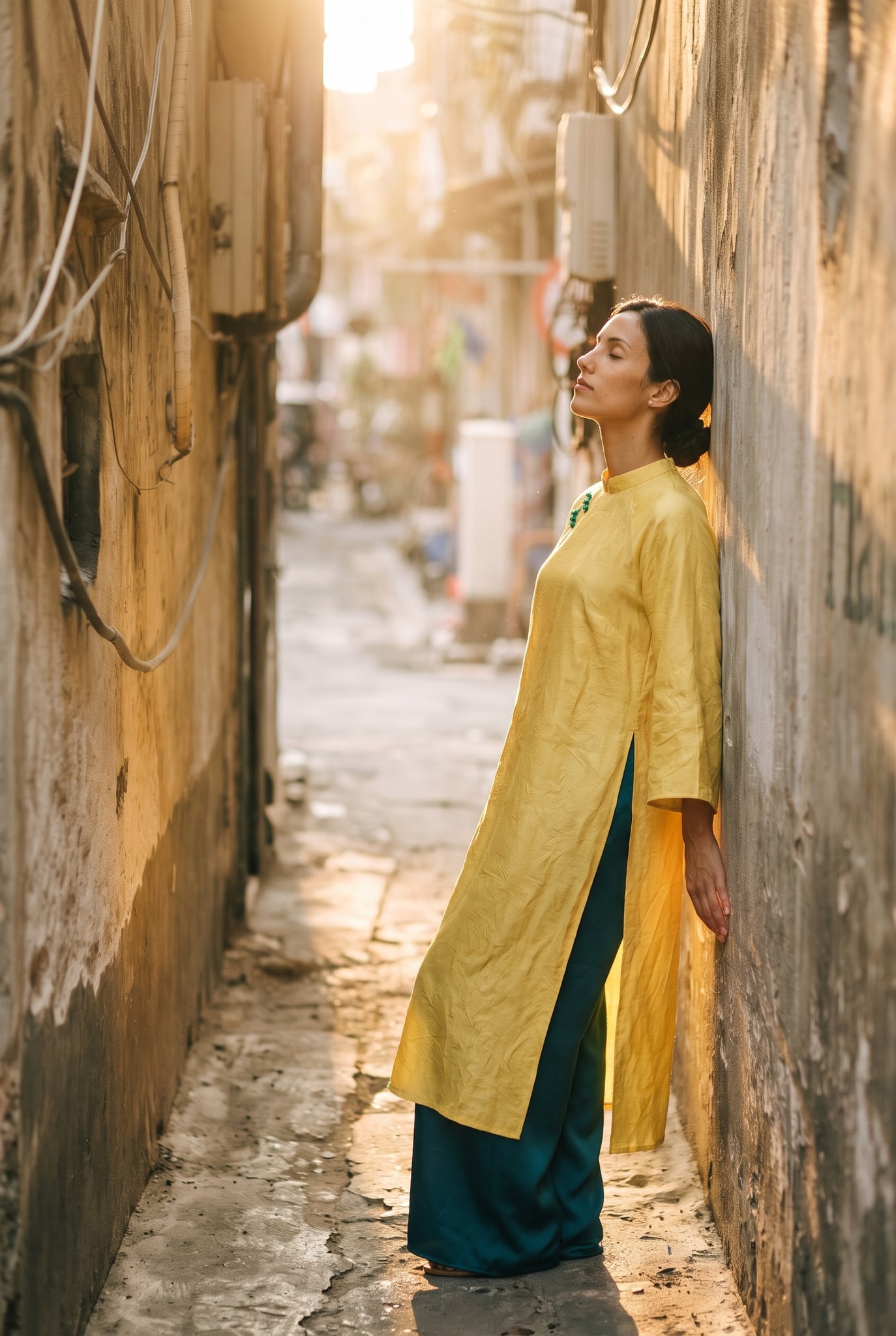
Early morning (7–8:30 am) delivers the strongest directional light and lowest tourist foot traffic. Winter mornings (November–February) offer golden-hour quality all day; summer (June–August) light turns harsh by 9 am, leaving only shaded workshop interiors usable by noon. Overcast days suit close-ups of clay hands and kiln details without blown highlights. Late afternoon (4–5:30 pm, October–March) works if you avoid the school-group rush (3–4 pm). Summer sunsets (5–6:30 pm) are too weak for texture work. Based on Hanoi's seasonal patterns, book early-morning shoots October–March for consistent results; June–August requires flexibility and backup indoor studio time. A full-day couple photoshoot or family photoshoot at Bat Trang works best if split: portraits in kilns 7–9 am, then pottery-wheel or clay-working candids indoors 10 am–1 pm.
Can you shoot inside active kilns and workshops?
Yes, but conditionally. Active climbing kilns (the tall brick structures) are off-limits during firing season unless the owner invites you inside the cooling phase (usually 2–3 days after firing ends). Workshop interiors are open to photographers if you ask first and don't block foot traffic or kiln doors. Indoor shooting requires either available window light or acceptance of high ISO/slower shutter speeds; most kilns are dim. Never use flash on clay wheels or near recently fired pieces (can cause thermal shock). If a craftsperson is working, position yourself behind or to the side, not between them and their material or kiln. Pay a small respect-fee (tip) to workshop owners if spending >30 minutes inside—they'll often unlock better-lit back rooms and give you access at quieter times. The makeup and styling team at Cáo Studio preps clients for clay dust and kiln heat; bring a change of clothes if planning post-shoot photos outdoors.
How do crowds and seasons affect photography quality?
| Season | Tourist Hours | Light Quality | Kiln Activity | Best Strategy |
|---|---|---|---|---|
| Nov–Feb (dry/cool) | 9 am–3 pm busiest | Golden, directional all day | Moderate | Shoot 7–9 am solo or hire guide |
| Mar–May (pre-monsoon) | 10 am–2 pm peak | Bright, contrasty 9 am–3 pm | Low | Midday workshops; overcast days best |
| Jun–Aug (monsoon/hot) | 8–10 am, 4–5:30 pm | Harsh by 10 am; dim indoors | Peak firing | Early morning only; backup indoor plans |
| Sep–Oct (post-monsoon) | Variable; fewer tours | Clear, warm, mixed light | Peak firing | Mornings 7–8:30 am ideal; workshops smoky |
Weekday mornings (Mon–Thu, 7–9 am) are 70% quieter than weekend afternoons. Hire a local guide (ask at your hotel or contact Cáo Studio) to navigate workshop owners and arrange access during off-peak hours. Group tours typically clog main streets 10 am–12 pm; plan solo travel portraits or intimate proposal photographer sessions before 8:30 am or after 4 pm.
What's the etiquette for photographing craftspeople and their families?
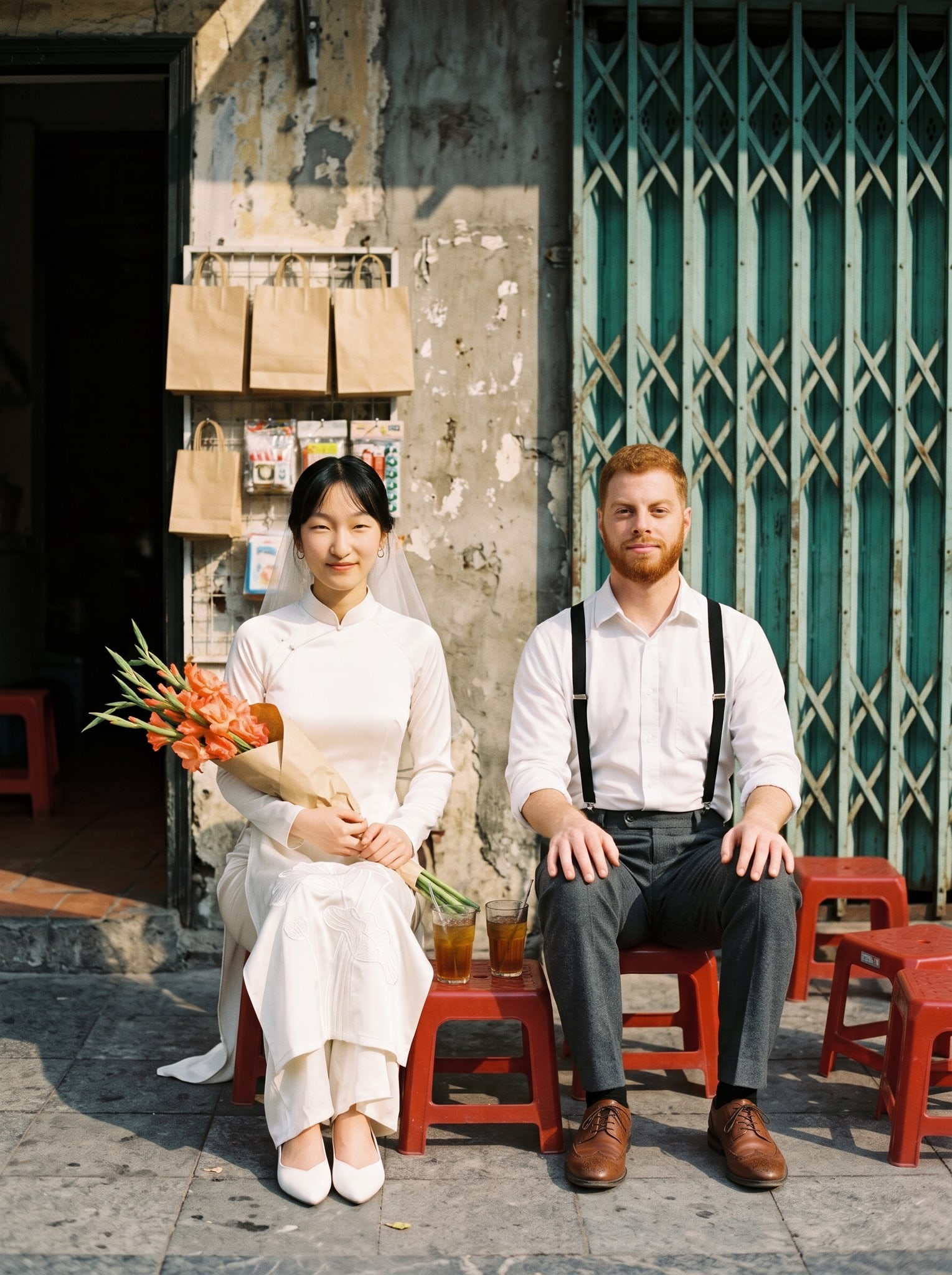
Never shoot someone's face without eye contact and a nod. Many potters have agreed to be photographed by tour guides and will wave you in if you approach respectfully; others prefer privacy. If a craftsperson shakes their head, move on—enforcing your right to photograph will damage relations and spoil the location for future visitors. Children are often present; always ask the parent before photographing kids. Some workshop families own the kilns; others are apprentices or hired workers who don't have authority to grant photo permission. When in doubt, ask the oldest person visible or look for a shop-front where payment happens. Gift-giving is not required but appreciated: a small ceramic souvenir, coffee, or water bought locally shows gratitude. The village has no "model release" system, but frame your shots as documentary art, not posed advertising. For formal family or couple shoots, book through Cáo Studio so we can arrange permissions and studio access in advance; see our family photoshoot and couple photoshoot options.
Are there spots to avoid or specific rules by area?
The main pottery commercial strip (Le Duc Road and the riverfront) welcomes casual photography but is tourist-clogged. Avoid shooting the municipal pottery school's interior without a guide (they may charge a small fee or deny entry). The red-brick climbing kilns near the river are private property; photograph exteriors only unless invited inside. Don't shoot the kiln's chimney area during active firing—toxic fumes and high heat create safety hazards. The narrow lanes behind the main road are residential; lower your camera when passing family homes. Waste-water channels near some kilns are unsightly; compose to avoid them or shoot at wider angles to contextualize the craft. The market area (Saturday–Sunday mornings) is crowded but lively for street-style shots; permission rules are looser here because it's semi-public. For graduation photoshoot or headshots in Bat Trang, we book the quieter studio spaces (usually available by paying a small use-fee) rather than street scenes. Check with us at Check dates on WhatsApp for current access conditions.
What to check before you book your Bat Trang shoot:
- Confirm firing season status (Sep–Apr: expect smoke, closed kilns; May–Aug: cooler but fewer active pieces to photograph).
- Ask your hotel or guide whether specific workshops are open that morning—some rotate firing schedules or close for holidays without notice.
- Arrive 15 minutes early so you can scout light and scout permissions before the session starts.
- Bring a clip-on reflector (even a white foamboard) if you want to fill shadows in killer interiors without flash.
- Wear neutral, washable clothes (clay dust stains) and closed-toe shoes (uneven floors, kiln debris).
- Pack water and a hat; no cafés inside the village; heat reflects off kilns in summer.
FAQ
Do I need permission from the village council or a guide to photograph Bat Trang?
No formal permit exists, but hiring a local guide (€10–20 for a 2-hour intro) unlocks workshop owner relationships and ensures you're shooting legally and ethically. Without a guide, ask individual workshop owners first.
What happens if I photograph a kiln or craftsperson without permission?
The owner may politely ask you to leave or delete the photo. Repeat violations risk the workshop being off-limits to future tourists. Respect preserves access for all.
Is Bat Trang safe for photography at early morning (7 am) for female solo travelers?
Yes; the village is active by 6:30 am and well-lit by 7 am. Book a solo travel portrait session and arrange a guide or driver—this is both safer and safer logistically.
Can I use flash or ring lights inside dark kilns?
Flash is risky near clay and bisque (thermal shock risk) and disruptive to workers. Bring a high-ISO camera (ISO 3200+) and a fast lens (f/2.8 or wider) instead, or shoot outdoors in natural light.
Do I need to buy pottery to photograph workshops?
No, but a small purchase (€5–10 ceramic) or a tip (€2–5 per workshop) builds goodwill and often unlocks access to better-lit back rooms or private firing events.
How do I book a professional photoshoot at Bat Trang with Hanoi Photoshoot by Cáo Studio?
Contact us on WhatsApp with your date, group size, and shot list (proposal photographer, maternity photoshoot, couple, family, or solo). We arrange guide access, permissions, and indoor studio backup for weather. Check dates on WhatsApp. --- Plan your Hanoi shoot
Check dates
Send your dates, how many people and the style you like. We reply on WhatsApp in English with spots, timing and a quote.
FAQ
Do I need permission from the village council or a guide to photograph Bat Trang?
No formal permit exists, but hiring a local guide (€10–20 for a 2-hour intro) unlocks workshop owner relationships and ensures you're shooting legally and ethically. Without a guide, ask individual workshop owners first.
What happens if I photograph a kiln or craftsperson without permission?
The owner may politely ask you to leave or delete the photo. Repeat violations risk the workshop being off-limits to future tourists. Respect preserves access for all.
Is Bat Trang safe for photography at early morning (7 am) for female solo travelers?
Yes; the village is active by 6:30 am and well-lit by 7 am. Book a [solo travel portrait](/solo-portrait) session and arrange a guide or driver—this is both safer and safer logistically.
Can I use flash or ring lights inside dark kilns?
Flash is risky near clay and bisque (thermal shock risk) and disruptive to workers. Bring a high-ISO camera (ISO 3200+) and a fast lens (f/2.8 or wider) instead, or shoot outdoors in natural light.
Do I need to buy pottery to photograph workshops?
No, but a small purchase (€5–10 ceramic) or a tip (€2–5 per workshop) builds goodwill and often unlocks access to better-lit back rooms or private firing events.
How do I book a professional photoshoot at Bat Trang with Hanoi Photoshoot by Cáo Studio?
Contact us on WhatsApp with your date, group size, and shot list ([proposal photographer](/proposal-photographer), [maternity photoshoot](/maternity-photoshoot), couple, family, or solo). We arrange guide access, permissions, and indoor studio backup for weather. [📸 Check dates on WhatsApp](https://wa.me/84338762340). --- [✨ Plan your Hanoi shoot](/contact)
More like this
Hanoi photo spots
Hanoi Book Street Family Photos: Best Times, Rules & Posing Tips
Hanoi Book Street (Phố Sách) offers tree-lined, traffic-light backdrops perfect for family photos. We guide you through light timing, local rules, and kid-friendly posing to avoid crowds and capture genuine moments.
Hanoi photo spots
Duong Lam Ancient Village Photo Spots: Best Times & Light Guide
Duong Lam Ancient Village, 45 km southwest of Hanoi, holds Vietnam's oldest intact rural architecture—tile-roofed houses, brick kilns and narrow lanes where morning mist holds light for 90 minutes. We photograph here year-round for solo travelers, families and couples seeking authentic, off-beat Han
Hanoi photo spots
Duong Lam Ancient Village: Crowd-Free Times & Photo Spots
Duong Lam Ancient Village, 45 km southwest of Hanoi, draws tourists year-round—but early mornings and weekdays offer near-empty temple courtyards and village lanes. We share exact timing, seasonal light, and how to pair a visit with professional portraits.