
Home › Blog › Ao dai photoshoot in Hanoi
Traditional Dress Photoshoot Hanoi in Winter: Light, Crowds & Timing
By the Hanoi Photoshoot team · 2026-11-06
A traditional dress photoshoot in Hanoi during winter (November–February) combines cool, crisp light with lower tourist density—ideal for ao dai detail work and reflections. Winter shoots run 6–8 a.m. for golden-hour glow; afternoons risk flat, harsh light by 3 p.m. We recommend starting before 7 a.m. at Hoàn Kiếm Lake, Old Quarter temples, or Day-trip spots like Duong Lam village. Expect 10–15°C mornings dropping to 5°C in January–February; layering under ao dai is essential, and makeup sets differently in cool air. Hanoi Photoshoot by Cáo Studio coordinates winter-specific poses (wind-resistant stances, hand placement to avoid shivering blur) and rental ao dai weights for outdoor comfort. Sessions typically last 2–3 hours including travel, styling, and outfit changes. Ask us for a quote on WhatsApp for exact timing and location confirmation. Check dates on WhatsApp
Why does winter light transform Hanoi ao dai shoots differently?
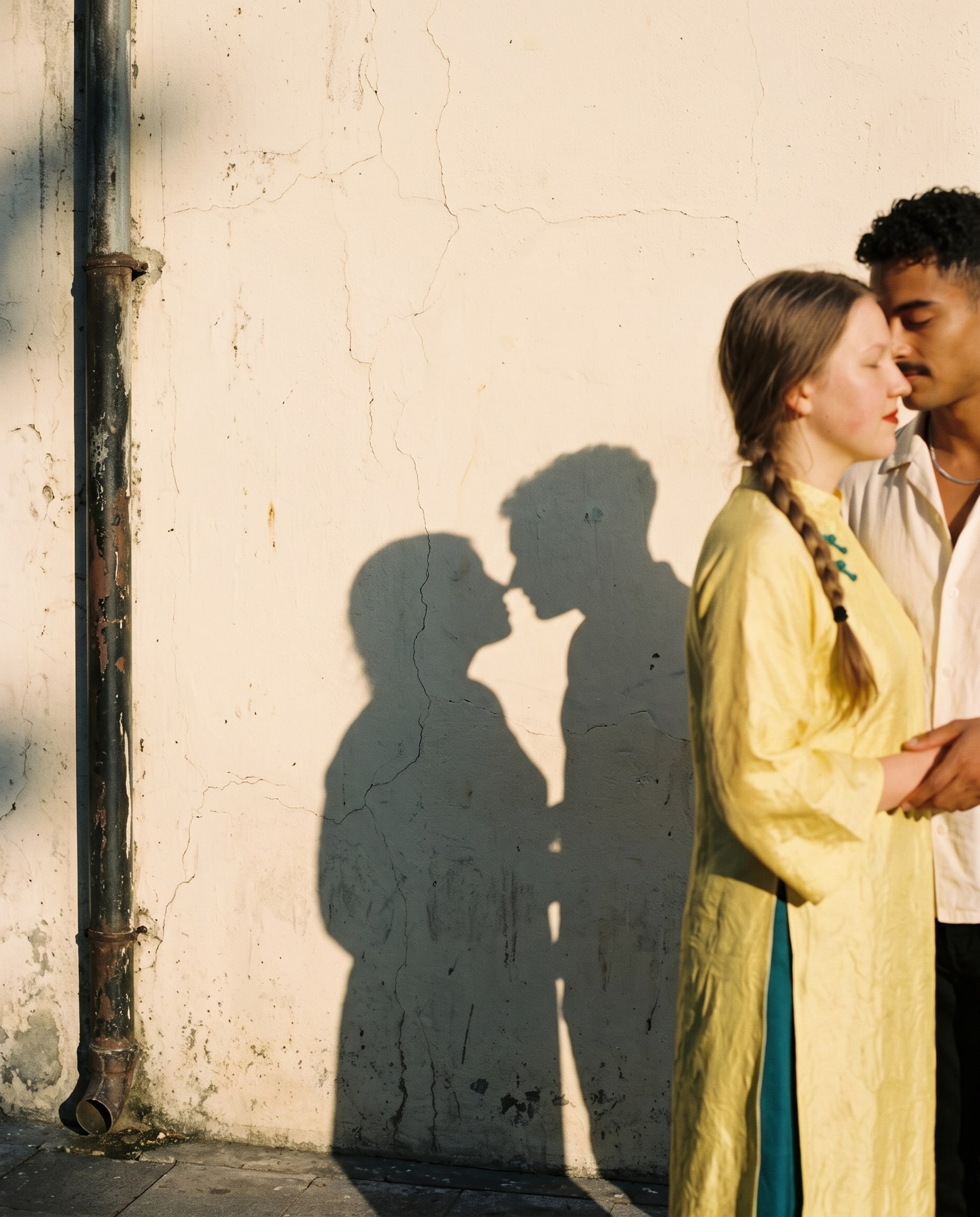
Winter sun in Hanoi (November–February) sits lower on the horizon, creating warm, directional light that flatters ao dai silk and embroidery texture. Summer's harsh overhead glare washes out detail; winter's angle reveals weave, beading, and fold contours. North-facing temple walls catch side-light; lake reflections intensify because water sits darker under cool-season cloud cover. By 8 a.m., light feels golden for 90 minutes; after 9:30 a.m., it turns neutral. We avoid shoots after 2 p.m. in winter because angle and color temp drop fast. This seasonal shift means winter ao dai shoots require NO reflectors or fill lights—natural light does the work. Plan arrival 30 minutes before sunrise to scout and compose.
What crowd and temple-rule changes happen in winter months?
Winter brings fewer international tourists and wedding groups, freeing up Old Quarter temple courtyards between 6–8 a.m. Jadeite Temple (Ngoc Son) opens 7 a.m.; crowds peak 9–11 a.m. and 4–5 p.m. Winter pilgrims still visit, but density is 40–50% lower than October–November festival season. Temple rules stay the same year-round: no shoe entry in inner sanctums, ao dai counts as respectful dress (no permit needed), and phone cameras are permitted indoors. Cold weather discourages casual foot traffic, so 6:30–7:30 a.m. often delivers empty courtyards. Some temples close briefly (1–2 hours) mid-morning for cleaning; confirm status on WhatsApp the day before. Rain is rare in winter but drizzle happens; ao dai silk dries fast in cool, dry air. Monks are more visible in winter (fewer tourists to navigate), which adds authentic atmosphere.
How do you layer clothing under ao dai without bulk for winter warmth?
Winter ao dai shoots demand thin, fitted base layers that stay invisible under the tunic. Wear a long-sleeve fitted silk or nylon camisole (not cotton—it traps moisture and feels heavy in cool air) under the ao dai áo (top). Avoid thermal underwear or thick leggings; instead, wear thin microfiber leggings under the áo so the trousers layer looks intentional and clean. Shoulder and arm definition matter in photographs, so a single fitted layer preserves silhouette while adding 5–10°C of warmth. Hair and makeup feel stiff faster in 10°C air because humidity drops; we apply matte base makeup and water-resistant products that won't streak during outdoor walking. Hands are visible, so consider a light scarf or shawl prop (coordinate with ao dai color) for hand-warming between shots. Never wear a heavy coat over ao dai—it crushes folds and forces posture changes mid-shoot. Bring a light windbreaker or cotton jacket to wear before arrival and remove 10 minutes into the session so fabric creases settle. We recommend testing this layer combo in your home studio or a mirror before the shoot day.
Which Hanoi winter spots photograph best in traditional dress?
| Location | Best Time | Light Quality | Crowd Level | Ao Dai Factor |
|---|---|---|---|---|
| Hoàn Kiếm Lake path (sunrise side) | 6:15–7:45 a.m. | Golden, mirror-like | Very low | Reflection doubles silk impact |
| Jadeite Temple courtyard | 7:00–7:45 a.m. | Side-lit, warm | Low | Stone age richness, traditional frame |
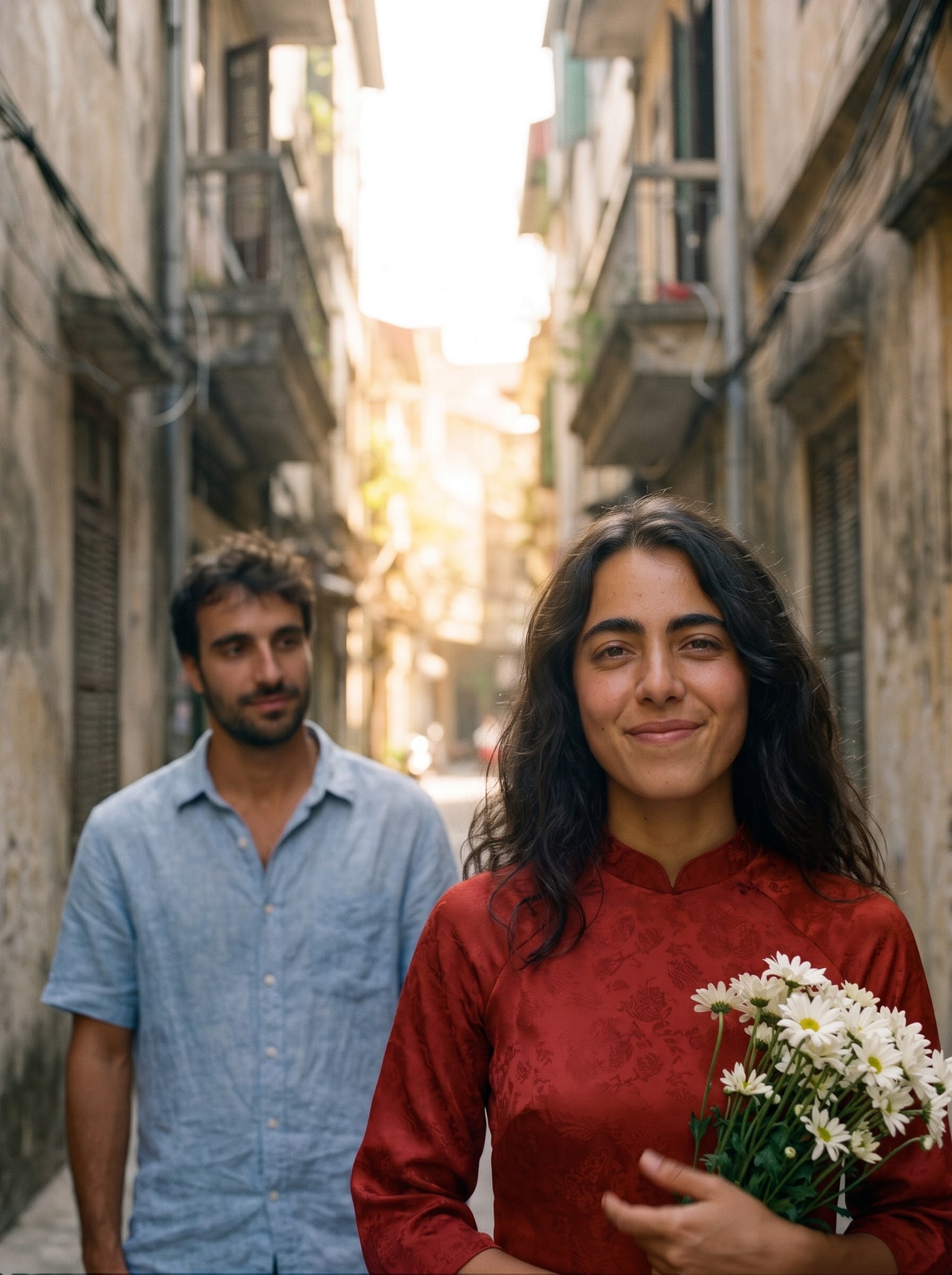
| Old Quarter narrow alleys (Hang Ngang, Hang Dao) | 7:15–8:30 a.m. | Soft directional | Low | Weathered walls, vintage fabric contrast |
| Day-trip: Duong Lam village (30 km) | 6:00–9:00 a.m. | Unobstructed golden | Very low | Stone houses, rural heritage context |
| French Quarter colonial corners | 8:00–9:00 a.m. | Clean, even | Low | European architecture frames ao dai formality |
Each location requires 20–30 minutes travel from city center in 6 a.m. traffic; plan transport the night before. Train Street (Pho Hang Chieu) is not recommended in winter: narrow alley becomes damp, slippery, and crowded by 7:30 a.m., and train timing is unpredictable. Lake north shore and temple courtyards deliver the clearest winter light with minimal footfall.
What posing and emotion shifts happen in winter cold?
Cold stiffens jaw and neck muscles; a genuine smile becomes harder to sustain in 8°C air. We coach slower, bigger poses that feel comfortable: hand placement in trouser pockets (keeps circulation), chin lowered (prevents tension), shoulders relaxed (cold narrows them). Wind tests your ao dai: áo (tunic) flares beautifully, but if gusts hit chest-on, pleats wrinkle. We position you side-angle or three-quarter to camera to let wind define folds naturally. Hands exposed in winter look less stiff if you tuck thumbs in pockets or hold hands together at waist—it reads genuine, not posed. Breathing creates visible vapor in sub-10°C air; we pause between shots so breath clears. Hair reacts differently: humidity is low, so flyaways increase; we apply light hairspray the morning of. Eyes water in wind and cold; we do 2–3 quick takes in succession, then pause so eyes reset. Winter ao dai shoots feel quieter, more introspective than summer—embrace that mood in posing. Expect 15–20 minutes of "cold-down time" per location before poses feel natural. Our makeup and styling team adjusts lip color and eyeliner texture to stay matte in cool air and prevent smudging during wind.
What breaks winter ao dai shoots and how do you prevent each?
Frost on fabric: Ao dai silk can frost in 5°C early mornings if moisture condenses. Store rental ao dai indoors until 20 minutes before departure; let it acclimate in your hands rather than the open air. Never leave it hanging outside the night before.
Stiff makeup: Cool air sets makeup too fast; powder settles into fine lines and lips lose color. We apply base makeup indoors, then powder only the T-zone. Lip color goes on 5 minutes before sunrise to stay fresh.
Numb fingers in poses: Cold reduces dexterity and makes hand placement feel awkward. We warm hands together between shots and do 2–3 quick takes in succession so muscle memory takes over before cold sets in.
Muddy reflections at Hoàn Kiếm: Winter lake water sits lower (dry season) and may have algae film. Scout the exact reflection spot via WhatsApp images 48 hours before; we'll confirm if water clarity is usable.
Wind blow-outs: Ao dai áo flares unpredictably in winter gusts (10–15 km/h common). Position you perpendicular to wind so the garment catches it symmetrically; avoid face-on poses in breezy spots.
Train Street crowds: By 8 a.m., walking tours cluster around tracks. We do not book Train Street for winter ao dai shoots—light turns flat, crowds block compositions, and rail timing is unreliable.
What to check before you book your winter ao dai shoot
- Your ao dai fit: Winter layering means rental ao dai must accommodate a fitted camisole underneath. Confirm sleeve length and torso fit on video call with our styling team before booking.
- Light forecast: We monitor cloud cover 48 hours before your session. Heavy overcast days shift to afternoon light or reschedule offer. Clear or partly cloudy forecasts are ideal.
- Temple access: Confirm your chosen venue (Jadeite Temple, Tran Quoc Pagoda) is not closed for festivals or repairs via WhatsApp the day prior.
- Your cold tolerance: Winter shoots mean 2–3 hours outdoors in 8–15°C. If you're sensitive to cold, we offset with longer breaks indoors or suggest an afternoon alternative with softer, lower-angle light.
- Transportation: Early-morning pickups (6:15 a.m.) require hotel or accommodation address confirmation so we coordinate meeting points accurately.
What does the typical winter ao dai shoot timeline look like?
- 5:45 a.m.: Pickup from your accommodation (or meet at central point).
- 6:15–6:45 a.m.: Travel to primary location (lake, temple, or village).
- 6:45–7:30 a.m.: Makeup finalization, ao dai check, first poses (golden light phase).
- 7:30–8:15 a.m.: Primary location shoot (2–3 outfit changes possible).
- 8:15–8:45 a.m.: Second location or outfit refresh (light shifts neutral, softer shadows).
- 8:45–9:30 a.m.: Wind-down, outfit return, travel home.
- 9:30 a.m.–12 p.m.: Image review, edits start, gallery upload.
Winter sessions fit a tighter morning window than summer because light angle changes faster. Our couple and family shoots follow the same early-light strategy in winter. If you need afternoon availability, we can deliver soft, moody light after 4 p.m., but it's best suited to intimate poses indoors or in shaded French Quarter courtyards rather than full-sun temple work.
How does winter ao dai photography differ from other session types we offer?
Solo travel portraits in winter emphasize introspection and stillness—ao dai's formal drape suits this mood. Couple photoshoots gain intimacy from cold: shared hands, close framings, and soft morning light reduce distractions. Pre-wedding shoots in winter often layer ao dai with Western formalwear (jacket over áo, for example) and benefit from fewer crowds for couple-only moments. Family photoshoots work better in summer when children tolerate longer outdoor time; winter family sessions are often shorter or studio-based. Graduation photoshoots in winter (rare timing) use temple courtyards for formal backdrops and matte winter light that flatters academic robes over ao dai áo. Winter conditions are neutral for headshots and maternity shoots—soft light is universally flattering, though maternity comfort (standing outside for 2+ hours in cold) is a consideration.
FAQ
Does cold damage ao dai fabric during a winter shoot?
No. Winter's low humidity is actually gentle on silk; dry air prevents mold and color fading. Frost or condensation can spot the fabric if left outdoors overnight, so we store all rental ao dai indoors until departure. Clean, cool storage is ideal for preservation.
Can I wear the ao dai under clothing before the shoot to stay warm?
Not recommended. Layering thick jackets or sweaters over ao dai crushes pleats and creates creases that take 10–15 minutes to settle once removed. Wear lightweight layers under the ao dai instead, and bring a cotton jacket to remove once shooting starts.
What if it rains during a winter Hanoi shoot?
Winter rain in Hanoi is rare (November–February is the dry season), but drizzle happens 1–2 days per week. We monitor forecasts 48 hours before and offer reschedule or indoor/covered-location alternatives at no extra cost. Silk ao dai dries quickly in cool air and can look beautiful in light rain (soft reflections on fabric).
Are morning shoots in winter very dark or hard to expose correctly?
No. Winter sunrise in Hanoi is around 6:45 a.m. (December–February). By 7:15 a.m., there's ample directional light for fast, sharp exposures without high ISO or flash. The key is arriving 30 minutes before sunrise to position and compose; light intensifies predictably as the sun clears the horizon.
Do I need to book more time or pay extra for winter cold-related breaks?
Our winter shoot duration and pricing remain the same as summer sessions. We build in natural warm-up breaks (moving indoors briefly, hand-warming pauses between locations) within the 2–3 hour session. Ask us for a quote on WhatsApp—we'll confirm exact timing and logistics for your specific dates and needs.
Can we do a winter ao dai shoot in the afternoon instead of sunrise?
Yes, but afternoon winter light (2–4 p.m.) is lower, warmer, and less evenly distributed than morning golden hour. It suits intimate, directional poses and moody portraits but loses temple detail work and lake reflections. We recommend morning for traditional dress impact; afternoons work if you prefer softer, smaller-scale imagery.
Check dates
Send your dates, how many people and the style you like. We reply on WhatsApp in English with spots, timing and a quote.
FAQ
Does cold damage ao dai fabric during a winter shoot?
No. Winter's low humidity is actually gentle on silk; dry air prevents mold and color fading. Frost or condensation can spot the fabric if left outdoors overnight, so we store all rental ao dai indoors until departure. Clean, cool storage is ideal for preservation.
Can I wear the ao dai under clothing before the shoot to stay warm?
Not recommended. Layering thick jackets or sweaters over ao dai crushes pleats and creates creases that take 10–15 minutes to settle once removed. Wear lightweight layers *under* the ao dai instead, and bring a cotton jacket to remove once shooting starts.
What if it rains during a winter Hanoi shoot?
Winter rain in Hanoi is rare (November–February is the dry season), but drizzle happens 1–2 days per week. We monitor forecasts 48 hours before and offer reschedule or indoor/covered-location alternatives at no extra cost. Silk ao dai dries quickly in cool air and can look beautiful in light rain (soft reflections on fabric).
Are morning shoots in winter very dark or hard to expose correctly?
No. Winter sunrise in Hanoi is around 6:45 a.m. (December–February). By 7:15 a.m., there's ample directional light for fast, sharp exposures without high ISO or flash. The key is arriving 30 minutes before sunrise to position and compose; light intensifies predictably as the sun clears the horizon.
Do I need to book more time or pay extra for winter cold-related breaks?
Our winter shoot duration and pricing remain the same as summer sessions. We build in natural warm-up breaks (moving indoors briefly, hand-warming pauses between locations) within the 2–3 hour session. Ask us for a quote on WhatsApp—we'll confirm exact timing and logistics for your specific dates and needs.
Can we do a winter ao dai shoot in the afternoon instead of sunrise?
Yes, but afternoon winter light (2–4 p.m.) is lower, warmer, and less evenly distributed than morning golden hour. It suits intimate, directional poses and moody portraits but loses temple detail work and lake reflections. We recommend morning for traditional dress impact; afternoons work if you prefer softer, smaller-scale imagery.
More like this
Ao dai photoshoot in Hanoi
Ao Dai Photoshoot at Ho Chi Minh Mausoleum: Best Time & Tips
Ho Chi Minh Mausoleum area offers dramatic colonial architecture and red flags perfect for ao dai portraits, but timing and permit rules are critical.
Ao dai photoshoot in Hanoi
Ao Dai Photoshoot at Lotus Pond Sunrise in Hanoi
Lotus ponds offer Hanoi's most serene ao dai backdrop at dawn, but timing and location scouting are critical for empty frames and soft light. We share exact hours, seasonal water levels and how to avoid tourist crowds.
Ao dai photoshoot in Hanoi
Ao Dai Photoshoot Duong Lam Ancient Village: Best Time & Hanoi Guide
Duong Lam Ancient Village—45 minutes northwest of central Hanoi—offers weathered brick lanes, lotus ponds and colonial-era storefronts perfect for ao dai portraits. Best light and crowd conditions occur October–November and February–March mornings.