
Home › Blog › Hanoi photo spots
Hanoi Old Quarter Photo Rules and Etiquette Guide
By the Hanoi Photoshoot team · 2026-11-06
The Hanoi Old Quarter (36 Streets area, central Hanoi) enforces unwritten but firm rules: never photograph monks or nuns without explicit consent; ask vendors before shooting their stalls; remove shoes inside temples; do not photograph altars or prayer ceremonies; keep voices low near residential doors; avoid blocking foot traffic or delivery carts; wear respectful clothing (covered shoulders, knees); tip or buy if you photograph someone's livelihood. Peak tourist hours (9 am–4 pm) draw crowds that slow shooting; early morning (6–7 am) and dusk (5–6 pm) offer better light and fewer people. Cáo Studio's Hanoi Photoshoot team coordinates sessions around these windows, respects all local customs, and guides clients on posing without intrusion. Violations risk being asked to leave or confrontation with locals. Most violations stem from treating the Quarter as a backdrop rather than a living neighborhood—it is both. Check dates on WhatsApp
What exactly is permitted inside Old Quarter temples?
Temples throughout the Old Quarter—Jade Mountain Temple nearby, various small pagodas on narrow lanes—allow photography of architecture and exterior courtyards, but never inside prayer rooms or during ceremonies. Remove footwear at the threshold; many temples enforce this strictly. Do not point cameras at monks or nuns; if you wish to photograph a person in robes, bow slightly and ask first in a soft voice. Never photograph the main altar, incense offerings or devotional rituals. Some temples request a small donation if you spend time shooting there. Guards or caretakers will stop you if you cross a line. Respect their authority immediately.
When should you avoid shooting in the Old Quarter altogether?
Early morning rush hours (6:30–8 am) see residents, students and motorbikes flood narrow streets; you will impede daily life and risk accidents. Lunar New Year (late January to early February) brings massive crowds and temporary shop closures; shooting is harder and less respectful. Rainy afternoons (June–September) make streets slick and narrow passages treacherous. If a local asks you to stop, stop immediately and move on without argument. If you are shooting during a street vendor's peak sales window, expect tension—the Quarter is their workplace, not a museum.
Who do you need permission from before photographing?
Every person whose face is recognizable requires consent—this is both ethical and legal in Vietnam. Street vendors operating stalls need permission; offer to purchase something if you plan extended shots of their space. Residents sitting outside homes or windows may feel invaded; acknowledge them first. Children require parental consent; never approach children alone or without clear communication to guardians. Motorbike taxi drivers and cyclo operators often object to being photographed; ask before framing them. Shopkeepers whose storefronts appear in the background usually do not object to incidental inclusion, but deliberate framing of their business warrants a greeting and explanation. A simple "xin lỗi, tôi muốn chụp ảnh" (excuse me, I'd like to take a photo) followed by a smile costs nothing and opens doors.
What clothing and behavior minimize friction with locals?
Wear long pants or skirts past the knee; sleeveless tops or short shorts signal disrespect in a traditional neighborhood. Keep voices low and avoid loud laughter; the Quarter is residential and sacred space simultaneously. Do not sit on the curb for extended periods; it blocks foot traffic and appears like loitering. Avoid eating while walking or photographing; it seems careless. Never touch someone's property, stall items or religious objects without permission. Do not mock or laugh at traditional practices visible in the Quarter. Smile at people you pass; friendliness dissolves most tension. If an elderly person or child looks at you curiously, a gentle wave and "hello" is safer than a camera pointed at them. Walk slowly and deliberately, not as a tourist rushing for the next shot.
How does seasonal light affect Old Quarter photography?
Seasonal Light Conditions in Hanoi Old Quarter
| Season | Best Hours | Challenges | Why It Matters |
|---|---|---|---|
| Winter (Nov–Jan) | 7–9 am, 4–5:30 pm | Lower sun angle, longer shadows, dry | Golden light is predictable; midday is flat |
| Spring (Feb–Apr) | 6:30–8 am, 3–5 pm | Haze common by 10 am; humidity rising | Clear early light; afternoon haze softens details |
| Summer (May–Aug) | 5:30–6:30 am, 5–6 pm only | High sun (midday overhead); harsh shadows; afternoon rain common | Narrow lanes mean midday shadows; shoot early or avoid |
| Autumn (Sep–Oct) | 7–8:30 am, 4–5:30 pm | Dry air, low humidity; pollution varies | Clearest skies; colors pop; most reliable season |
Winter offers warm, directional light but requires thicker clothing for early morning shoots. Spring humidity creates atmospheric softness but reduces contrast. Summer's heat and noon sun create unusable shadows in narrow lanes; plan for pre-dawn starts. Autumn is ideal: dry, clear, minimal rain. In all seasons, avoid 11 am–3 pm in the Quarter—the sun is too high, shadows are harsh, and crowds peak.
How do you photograph groups respectfully without disrupting business?
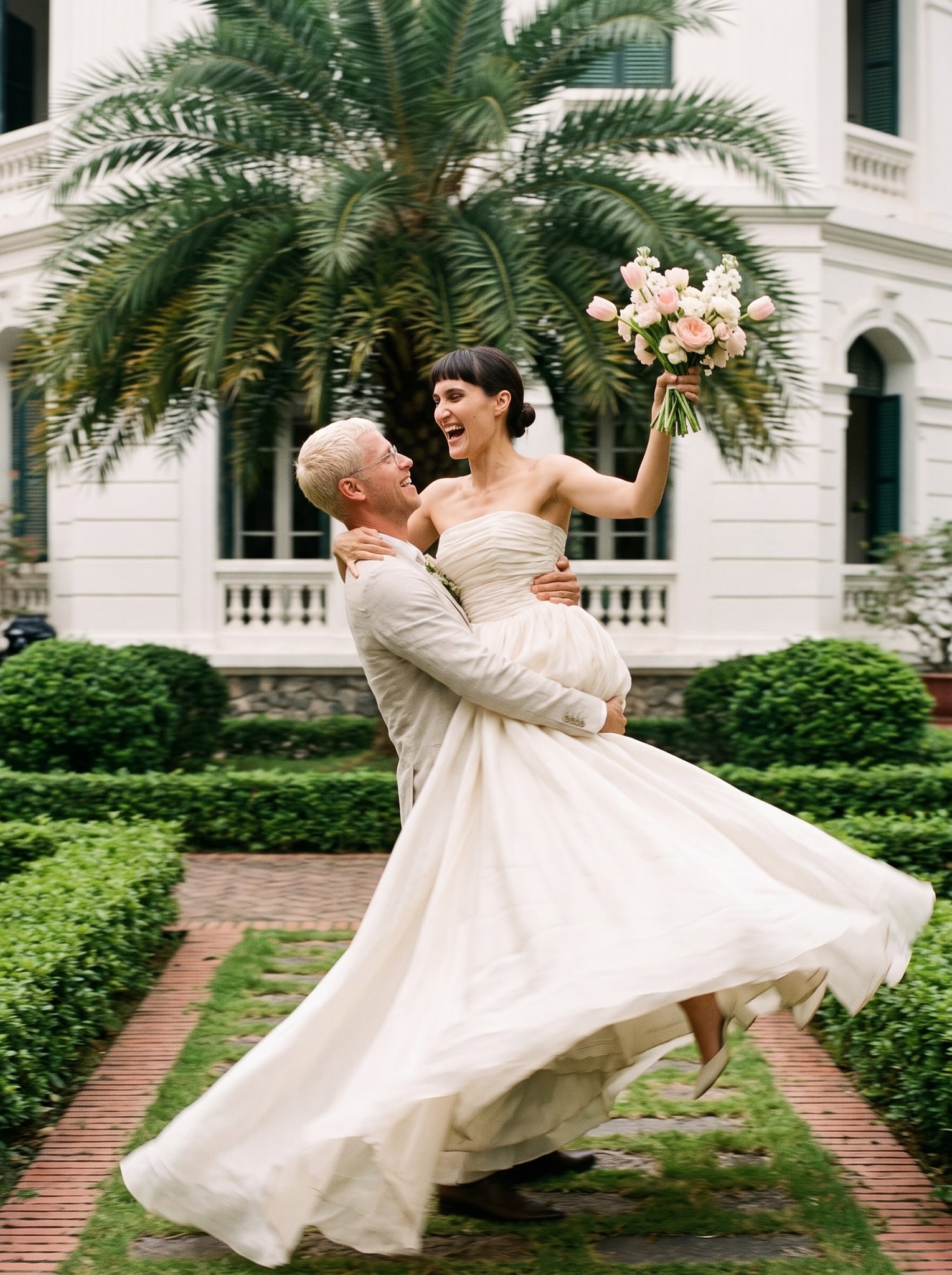
Assemble your group on a side street or in a courtyard, not blocking the main walking lane. Communicate your plan to nearby vendors or residents—a quick explanation ("we are taking a few photos, five minutes") builds goodwill. Keep your group size and gear compact; large teams with tripods and reflectors attract negative attention. Shoot quickly and move; lingering in one spot looks like you are scouting or loitering. If you are booking a guided photoshoot session, Cáo Studio's coordinators pre-scout routes and timing to avoid disruption. For family shoots, we schedule during quieter hours. Never ask children to pose without their guardian present or speaking to the guardian first. If a shopkeeper or resident politely declines, accept it immediately and relocate; there is always another angle two meters away.
What mistakes do photographers make that cause real conflict?
Photographing someone's home interior or family space without asking ranks first. Some travelers assume a wide-open shop door means permission to shoot inside; it does not. Photographing the same vendor multiple times without buying creates resentment—transactional relationships matter. Standing still in the middle of a lane to frame a shot while ignoring foot traffic is dangerous and disrespectful. Zooming in on a child from a distance, then trying to explain it was "just for the light," causes alarm and often confrontation. Pointing a professional camera at someone and expecting them to smile on cue—without context—often fails; locals see this as entitlement. Uploading photos of identifiable residents to social media without consent, then tagging the location, can lead to complaints or requests for takedowns. The biggest mistake: treating the Old Quarter as a theme park rather than a neighborhood where real people work and live.
What to check before you shoot
- Temple hours: Most open 7–11 am and 2–5 pm; confirm locally on arrival.
- Your outfit: Knees covered, shoulders covered, closed shoes (temples require you to remove them anyway).
- Battery and cards: Narrow lanes have no shops to buy spares; plan for a full day.
- Local contact: If part of a solo portrait or Instagram photoshoot session with us, our team has relationships with key vendors and temple keepers.
- Weather forecast: Afternoon rain (May–September) can close narrow lane passages within minutes.
- Permit status: General street photography is legal in Vietnam; no formal permit required for stills or personal use. Commercial shoots or large teams may warrant coordination with local authorities—we handle this for clients booking pre-wedding or proposal photographer sessions.
Why book with Cáo Studio for Old Quarter shoots?
Our team knows which shops welcome photographers, which temple keepers speak English, optimal light windows by season, and how to brief you on etiquette before you step into a lane. We handle permissions, timing, and posing guidance so you focus on the experience. Contact us on WhatsApp to plan your session; we'll discuss your vision, confirm availability, and brief you on the specific rules for your dates.
Plan your Hanoi shoot
FAQ
Can I photograph the same person twice in the Old Quarter?
Yes, if they consent both times. If someone declines the first time, do not return. If they agree once, ask again the second time; consent is not blanket permission. Buying from them both times shows respect and often leads to better rapport and relaxed postures.
Are there Old Quarter streets officially closed to photography?
No formal closures exist, but some narrow residential lanes are de facto private. If locals gesture you away or close a gate, leave. Train Street and Hoan Kiem Lake have specific rules—Train Street prohibits photography on active tracks; our Hoan Kiem Lake photo guide covers that separately. The main Old Quarter guide pinpoints safest, most welcoming lanes.
What do I do if a vendor demands payment for a photo I already took?
If you photographed their stall or likeness without asking, offering to buy something or tipping 20,000–a quoted price resolves most situations gracefully. If they demand an unreasonable sum, politely decline, delete the photo (or appear to), and walk away. Escalation rarely ends well. Many vendors are more forgiving if you ask before shooting.
Is it disrespectful to photograph monks from behind or at a distance?
Photographing a monk's back while they pray or walk is still photography of a person in a sacred context; many monks consider this intrusive. A distance does not eliminate the need for consent. If you wish to capture monastic life authentically, ask the temple keeper or a senior monk first; they may invite you to a less sensitive moment or explain boundaries.
Can I take photos inside small family shrines or altars visible from the street?
Never without explicit permission from the household. Even if the altar is partially visible from the lane, photographing it directly is disrespectful. Incidental framing of a shrine in the background of a street shot is usually acceptable, but deliberate focus on altars, offerings or religious objects is not. When in doubt, ask the resident or move your angle.
Do I need permission from local authorities to book a paid photoshoot in the Old Quarter?
For individual couple, solo or family shoots, no formal permit is required—these fall under personal use or tourism. For commercial shoots, large crews, drones, or extended location reservations, Cáo Studio coordinates with district authorities or property owners as needed. Ask us on WhatsApp if your session involves commercial use.
Check dates
Send your dates, how many people and the style you like. We reply on WhatsApp in English with spots, timing and a quote.
FAQ
Can I photograph the same person twice in the Old Quarter?
Yes, if they consent both times. If someone declines the first time, do not return. If they agree once, ask again the second time; consent is not blanket permission. Buying from them both times shows respect and often leads to better rapport and relaxed postures.
Are there Old Quarter streets officially closed to photography?
No formal closures exist, but some narrow residential lanes are de facto private. If locals gesture you away or close a gate, leave. Train Street and Hoan Kiem Lake have specific rules—Train Street prohibits photography on active tracks; our [Hoan Kiem Lake photo guide](/spots/hoan-kiem-lake) covers that separately. The main [Old Quarter guide](/spots/hanoi-old-quarter) pinpoints safest, most welcoming lanes.
What do I do if a vendor demands payment for a photo I already took?
If you photographed their stall or likeness without asking, offering to buy something or tipping 20,000–50,000 VND resolves most situations gracefully. If they demand an unreasonable sum, politely decline, delete the photo (or appear to), and walk away. Escalation rarely ends well. Many vendors are more forgiving if you ask *before* shooting.
Is it disrespectful to photograph monks from behind or at a distance?
Photographing a monk's back while they pray or walk is still photography of a person in a sacred context; many monks consider this intrusive. A distance does not eliminate the need for consent. If you wish to capture monastic life authentically, ask the temple keeper or a senior monk first; they may invite you to a less sensitive moment or explain boundaries.
Can I take photos inside small family shrines or altars visible from the street?
Never without explicit permission from the household. Even if the altar is partially visible from the lane, photographing it directly is disrespectful. Incidental framing of a shrine in the background of a street shot is usually acceptable, but deliberate focus on altars, offerings or religious objects is not. When in doubt, ask the resident or move your angle.
Do I need permission from local authorities to book a paid photoshoot in the Old Quarter?
For individual [couple](/couple-photoshoot), [solo](/solo-portrait) or [family shoots](/family-photoshoot), no formal permit is required—these fall under personal use or tourism. For [commercial shoots](/instagram-photoshoot), large crews, drones, or extended location reservations, Cáo Studio coordinates with district authorities or property owners as needed. Ask us on [WhatsApp](/contact) if your session involves commercial use.
More like this
Hanoi photo spots
Thang Long Imperial Citadel Family Photos: Light, Rules & Outfit Tips
Thang Long Imperial Citadel (Hanoi Citadel) is a UNESCO World Heritage site in central Hanoi with dramatic stone gates, courtyards and moats ideal for family portraits. We share exact timing, light patterns, clothing advice and what often goes wrong—so your session yields authentic, well-lit images.
Hanoi photo spots
Tay Ho: How to get there for a photoshoot
Tay Ho district sits 8–12 km northwest of Hanoi's Old Quarter, accessible by taxi, motorbike or rideshare in 20–40 minutes depending on traffic. We'll walk you through entry rules, best light, crowds and how to book a seamless shoot there.
Hanoi photo spots
Phung Hung Mural Street Couple Photos: Light, Crowds & Posing
Phung Hung Street in Hanoi's Old Quarter is a working neighborhood turned street-art hotspot—perfect for couples who want colorful, lived-in authenticity without the Hoan Kiem Lake crowds.